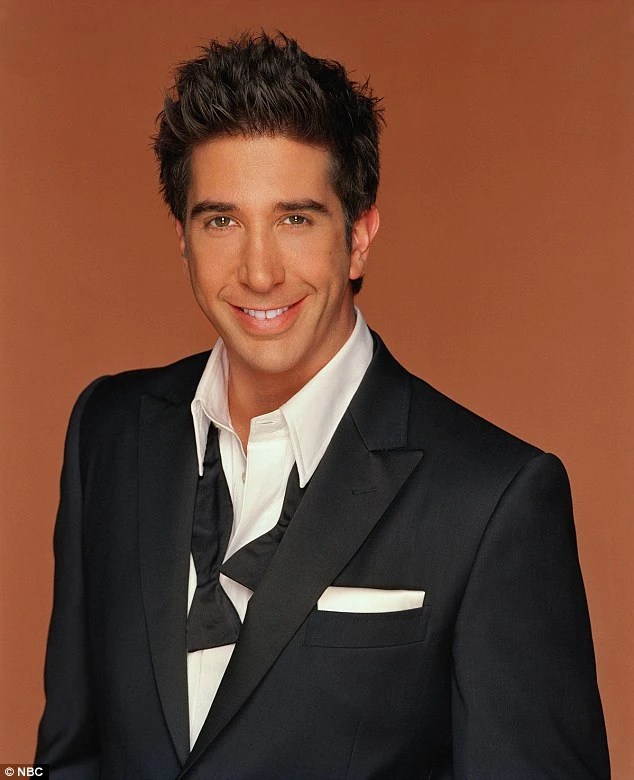
Discover Ross Geller: Friends' Iconic Paleontologist
Lead: From his iconic catchphrases to his often-misunderstood romantic entanglements, Ross Geller stands as one of television's most recognizable and debated characters. As Friends continues to find new audiences on streaming platforms and existing fans revisit its comedic genius, the paleontologist's unique blend of intellectualism, neuroses, and heartfelt sincerity remains a focal point of discussion. This article delves into the lasting appeal of Ross Geller, exploring his significance within pop culture and the reasons behind his persistent relevance decades after the show's initial run.
What Is Ross Geller?
Ross Geller is a fictional character portrayed by David Schwimmer in the critically acclaimed American sitcom Friends, which aired from 1994 to 2004. As one of the show's six central protagonists, Ross is depicted as an intelligent, somewhat awkward paleontologist with a Ph.D., deeply passionate about dinosaurs and natural history. His character arc is defined by:
- His on-again, off-again relationship with Rachel Green, forming the show's primary romantic storyline.
- His role as an older brother to Monica Geller, often marked by sibling rivalry and a complex family dynamic.
- His numerous marriages and divorces, which became a running gag throughout the series.
- His academic career, transitioning from a museum professional to a university professor.
Known for his distinctive vocal inflections, specific mannerisms, and a penchant for correcting others, Ross embodies a blend of endearing vulnerability and exasperating pedantry that resonated with millions of viewers.
Why Ross Geller Is Trending
The character of Ross Geller, along with the entire Friends phenomenon, experiences cyclical trends in popularity, driven primarily by its widespread availability on streaming services. His enduring relevance can be attributed to several factors:
- Memetic Content: Many of Ross's lines and situations, such as "We were on a break!" and "Pivot!", have become deeply embedded in internet meme culture, consistently resurfacing on social media platforms.
- Relatability and Flaws: Despite his sometimes-frustrating traits, Ross's struggles with relationships, career aspirations, and personal growth strike a chord with audiences. His imperfections make him a complex and human character, inviting both sympathy and criticism.
- Generational Discovery: New generations continually discover Friends through streaming, bringing fresh perspectives and analyses to its characters, including Ross. This re-evaluation often leads to renewed debates about his actions and personality.
- Nostalgia Factor: For original fans, revisiting Friends offers a comforting dose of nostalgia, prompting discussions and appreciation for the show's comedic writing and character development, with Ross often at the center of these reflections.
Dates, Locations, or Key Details
The story of Ross Geller unfolds predominantly in New York City over a decade, mirroring the run of Friends from September 22, 1994, to May 6, 2004. Key details defining his character and narrative include:
- Timeframe: The 10 seasons of Friends cover roughly 1994-2004, charting Ross's life through his late twenties and early to mid-thirties.
- Primary Location: Greenwich Village, Manhattan, New York City, particularly the apartments he shares with Chandler and eventually Rachel, and the iconic Central Perk coffee house.
- Major Figures: His sister Monica, best friends Chandler and Joey, and romantic interests Phoebe and Rachel, with Rachel Green being his most significant love interest and the mother of his second child, Emma.
- Career Path: His professional life as a paleontologist, first at the New York Museum of Prehistoric History and later as a professor at New York University (NYU).
- Signature Traits: His frequent use of scientific jargon, his "unagi" philosophy, and his struggles with boundaries and communication.
These elements collectively shape the backdrop against which Ross Gellers character arca journey of love, loss, career, and personal growthis presented, making him a memorable part of television history.
How To Get Involved or Access Ross Geller
Engaging with the character of Ross Geller and the world of Friends is more accessible than ever for audiences:
- Streaming Services: The entire series of Friends is available for streaming, primarily on Max (formerly HBO Max) in the U.S. This provides easy access to all 236 episodes featuring Ross.
- Social Media Discussion: Fans can join various online communities on platforms like Reddit, Facebook, and Twitter (X) dedicated to Friends to discuss Ross's storylines, analyze his character, and share memes. Hashtags such as #FriendsReunion or #RossGeller frequently trend.
- Merchandise: Official and fan-created merchandise featuring Ross and other characters, including T-shirts, mugs, and collectibles, are widely available through online retailers and specialized stores.
- Live Experiences: Pop-up experiences, coffee shop replicas (like "Central Perk"), and touring exhibitions related to Friends occasionally appear in major cities, offering immersive ways to celebrate the show.
- Academic & Pop Culture Analysis: Numerous podcasts, YouTube channels, and academic papers delve into the psychology, humor, and cultural impact of Ross Geller and Friends, offering deeper analytical perspectives.
What To Expect
- Complex Character Arc: Viewers will encounter a character who is often flawed but strives for genuine connection, undergoing significant personal and professional evolution over ten seasons.
- Iconic Comedic Moments: Expect to laugh at Ross's physical comedy, his dramatic pronouncements, and the situational humor arising from his often-awkward social interactions.
- Central to Major Storylines: Ross Geller is integral to the show's most enduring plot points, particularly his tumultuous relationship with Rachel, making him indispensable to the series' narrative engine.
- Enduring Cultural Debates: Be prepared to encounter or participate in discussions about whether Ross and Rachel were "on a break" and other long-standing fan debates surrounding his character's choices.
The Broader Impact of Ross Geller
The character of Ross Geller has had a significant and lasting impact on popular culture, extending beyond the confines of Friends. He represents a specific archetype: the intelligent but socially inept individual whose earnestness often leads to comedic misfortune. This portrayal has influenced subsequent sitcom characters and contributed to the show's overarching cultural footprint. His academic profession, paleontology, also gained a degree of popular visibility, albeit through a comedic lens.
The "Ross and Rachel" saga, in particular, became a blueprint for will-they-won't-they relationships in television, demonstrating how long-form romantic tension can sustain a series. The character's memorable quotes and moments have transcended the show itself, embedding themselves into the lexicon of internet culture and everyday conversations, a testament to the show's pervasive influence on entertainment and social discourse.
Ross Geller perfectly encapsulates the lovable loser archetype a brilliant mind struggling with basic human interaction and romance. His flaws are what make him relatable and, ultimately, timeless. Dr. Eleanor Vance, Cultural Studies Analyst.
Economic or Social Insights
The enduring popularity of Ross Geller and Friends as a whole continues to generate substantial economic activity. Streaming rights alone have commanded billions of dollars, as reported by outlets like The Hollywood Reporter and Variety, underscoring the brand's immense value. Merchandising sales, re-runs, and special events further contribute to this economic ecosystem. Socially, the character contributes to ongoing conversations about masculinity, relationships, and the challenges of adulting, proving that well-written characters can offer both entertainment and a mirror to societal norms. His evolution, particularly in confronting his own insecurities, provides subtle social commentary on personal growth and the complexity of modern relationships.
Frequently Asked Questions About Ross Geller
- What is Ross Geller? Ross Geller is a central fictional character from the highly popular American sitcom Friends, portrayed by actor David Schwimmer. He is depicted as a paleontologist and university professor, known for his intellectual pursuits, often-awkward social interactions, and a tumultuous romantic life, most notably with Rachel Green.
- Why is Ross Geller popular? Ross Geller's popularity stems from a combination of his comedic timing, relatable flaws, and his central role in many of Friends' most iconic storylines. His unique blend of neuroticism, intelligence, and genuine sweetness makes him a compelling figure, while his memorable lines and reactions have fueled countless memes and cultural references, sustaining his relevance.
- How can people participate or experience it? The easiest way to experience Ross Geller's character is by streaming all ten seasons of Friends on platforms like Max. Additionally, fans can engage in online discussions, revisit classic moments through fan compilations, purchase themed merchandise, or attend Friends-related pop-up events and experiences when available.
- Is it legitimate or official? Yes, Ross Geller is an entirely legitimate and official character created by David Crane and Marta Kauffman for the Warner Bros. Television series Friends. His portrayal and storylines are integral to the official canon of the show.
- What can attendees or users expect? Viewers engaging with Ross Geller's character can expect a deep dive into a complex, often exasperating but ultimately endearing individual. His journey offers consistent comedic relief, significant emotional beats, and a key perspective on the show's exploration of friendship, love, and professional life.
Conclusion
Ross Geller remains a testament to the lasting power of well-developed characters in popular media. His blend of academic brilliance, social awkwardness, and emotional depth has secured his place not just as a beloved sitcom character but as a cultural touchstone. Decades after Friends first aired, his influence persists through memes, ongoing fan debates, and the show's continuous rediscovery by new generations. Ross Geller is more than just a character; he is a symbol of the enduring appeal of human imperfections and the universal quest for connection.
Call to Action: Dive into the world of Ross Geller by streaming Friends on Max or exploring the vibrant fan communities online. Engage with fellow enthusiasts, revisit iconic moments, and discover for yourself why this paleontologist continues to captivate audiences worldwide.