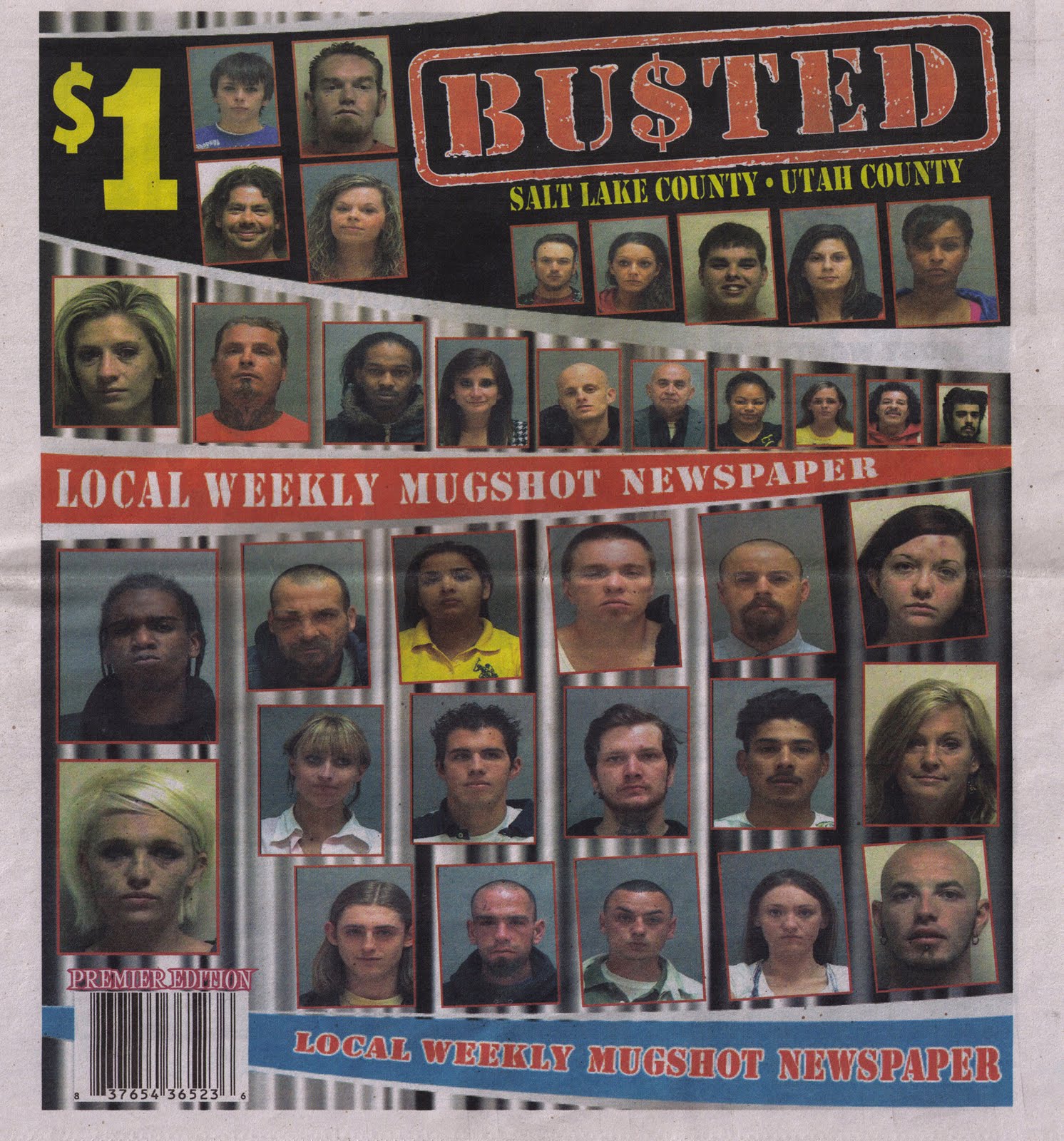
What Happened To Busted Newspaper Ross County, Ohio?
Lead: In an era where local news sources face unprecedented challenges, the concept of a "busted newspaper Ross County" brings into sharp focus the struggles and transformations affecting community journalism. This phrase, whether signifying a publication that has ceased operations, undergone significant change, or unearthed a major local expos, resonates deeply within the fabric of Ross County, Ohio, and mirrors broader national trends. Readers will gain insight into the intricate dynamics of local news, its indispensable role in civic life, and the pressing need for community support to sustain its future.
What Is the "Busted Newspaper Ross County" Phenomenon?
The term "busted newspaper Ross County" encapsulates a critical moment or ongoing situation concerning local journalism within the Ross County, Ohio, area. It can refer to several scenarios:
- Publication Closure: A local newspaper in Ross County that has ceased its operations, leaving a void in community information.
- Investigative Breakthrough: A significant investigative report by a local paper that "busted" open a major story, revealing corruption, negligence, or critical community issues.
- Reputational Challenge: A situation where a local newspaper's credibility or operational integrity has been "busted" due to internal issues, financial distress, or factual inaccuracies.
- Digital Transformation: A traditional print newspaper that has dramatically altered its format, often moving predominantly online, signifying a "break" from its past model.
This phenomenon underscores the precarious nature of local news organizations, particularly in smaller communities like Ross County, where economic shifts and changing consumption habits directly impact their viability and influence.
Why "Busted Newspaper Ross County" Is Trending
Interest in the state of "busted newspaper Ross County" stems from a growing national concern over the decline of local journalism. The disappearance or weakening of community newspapers has profound implications, leading to:
- Information Voids: A lack of coverage on local government, schools, and community events.
- Decreased Civic Engagement: Citizens are less informed about local issues and thus less likely to participate in civic processes.
- Increased Polarization: National narratives often dominate, without the local context provided by community reporting.
- Accountability Gaps: Without local watchdogs, instances of local corruption or inefficiency may go unreported.
The situation in Ross County reflects these broader societal impacts, making any significant development concerning its local newspapers a focal point for discussion among residents, policymakers, and media analysts alike.
Dates, Locations, or Key Details
While specific dates and events related to a definitive "busted newspaper Ross County" narrative would vary, the general timeframe for significant shifts in local journalism stretches over the last two decades. The county seat, Chillicothe, Ohio, has historically been a hub for local news, with various publications serving its residents. Key details often include:
- The exact year of a publication's closure or acquisition.
- The specific nature of an investigative series that garnered widespread attention.
- The financial pressures leading to staff reductions or changes in ownership.
- The emergence of new digital-only news outlets attempting to fill gaps.
Understanding these elements provides a helpful guide for contextualizing the ongoing evolution of local media in communities similar to Ross County.
How To Get Involved or Access Local News in Ross County
For those interested in the future of local news, particularly concerning a "busted newspaper Ross County" situation, several pathways exist:
- Support Existing Publications: Subscribe to local newspapers, both print and digital, and engage with their content.
- Seek Out Digital Initiatives: Explore newer online-only news platforms or community blogs that aim to cover local events.
- Attend Public Meetings: Stay informed by attending city council, school board, and other local government meetings directly.
- Volunteer or Contribute: Some community news organizations welcome volunteers or citizen journalists to help cover events.
- Advocate for Local News: Support non-profit journalism initiatives and advocate for policies that assist local media outlets.
What To Expect
- Heightened Awareness of Local Issues: Understanding the challenges faced by local media can deepen appreciation for the news that still exists.
- Insights into Community Resilience: Observing how Ross County adapts to changes in its news landscape can highlight community strength.
- Discussion on Media's Future: The topic often sparks conversations about sustainable models for local journalism.
- Call to Action for Civic Engagement: It frequently encourages residents to become more active in their community's information ecosystem.
The Broader Impact of the "Busted Newspaper Ross County" Theme
The impact of changes in local news, epitomized by the "busted newspaper Ross County" concept, extends far beyond mere information delivery. It influences civic health, economic development, and cultural identity. Communities with robust local news sources tend to have higher voter turnout, reduced government waste, and stronger social cohesion. When these sources diminish, a vacuum emerges that can be filled by misinformation or fragmented national narratives, diluting local identity and accountability. Insights from organizations like the Poynter Institute and reports in publications such as The Atlantic frequently highlight these critical interconnections, emphasizing that local news is not just a service but a vital civic institution.
The decline of local newspapers is not merely a loss of jobs or a business trend; it's a fundamental erosion of the information infrastructure that underpins healthy democracy at the community level.
Economic or Social Insights
Economically, local newspapers have traditionally relied on advertising revenue, which has been severely impacted by the shift to digital platforms and the dominance of tech giants. This pressure is a key factor behind any "busted newspaper Ross County" scenario, forcing publications to downsize, merge, or close. Socially, the absence of a strong local press leads to what some experts term "news deserts"areas where residents lack access to reliable, locally-focused reporting. This not only weakens civic participation but also can lead to a less informed populace, less government transparency, and a diminished sense of shared community identity. Research from institutions like the UNC Hussman School of Journalism and Media consistently documents these trends and their concerning implications for local economies and societies.
Frequently Asked Questions About the "Busted Newspaper Ross County" Phenomenon
- What is the "busted newspaper Ross County" phenomenon? It refers to significant developments concerning local newspapers in Ross County, Ohio, such as closures, investigative breakthroughs, or major operational shifts, highlighting the evolving state of community journalism.
- Why is it popular? Its popularity stems from a broader national concern over the sustainability of local news, reflecting how critical these local information sources are for community health and civic engagement.
- How can people participate or experience it? Individuals can support local journalism by subscribing to remaining local outlets, seeking out new digital initiatives, attending public meetings to stay informed, and advocating for policies that support local media.
- Is it legitimate or official? The phrase "busted newspaper Ross County" is a conceptual term used to describe a range of real-world challenges and transformations affecting local news organizations, rather than an official designation of a specific entity.
- What can attendees or users expect? Observers can expect to gain a deeper understanding of the struggles and importance of local news, prompting discussions on community resilience, media's future, and the vital role of an engaged citizenry.
Conclusion
The narrative of "busted newspaper Ross County" serves as a powerful reminder of the indispensable role local journalism plays in fostering informed communities and upholding civic accountability. Whether signifying a publication's difficult transition, a groundbreaking expos, or the stark reality of a news void, the challenges faced by local media profoundly affect daily life in places like Ross County. Recognizing these dynamics is the first step toward building more robust and sustainable information ecosystems for all.
Call to Action: Readers are strongly encouraged to actively seek out and support local news sources in Ross County, Ohio. Visit the websites of existing local newspapers, follow community news initiatives, and participate in local dialogues to ensure the continued vitality of essential community information.