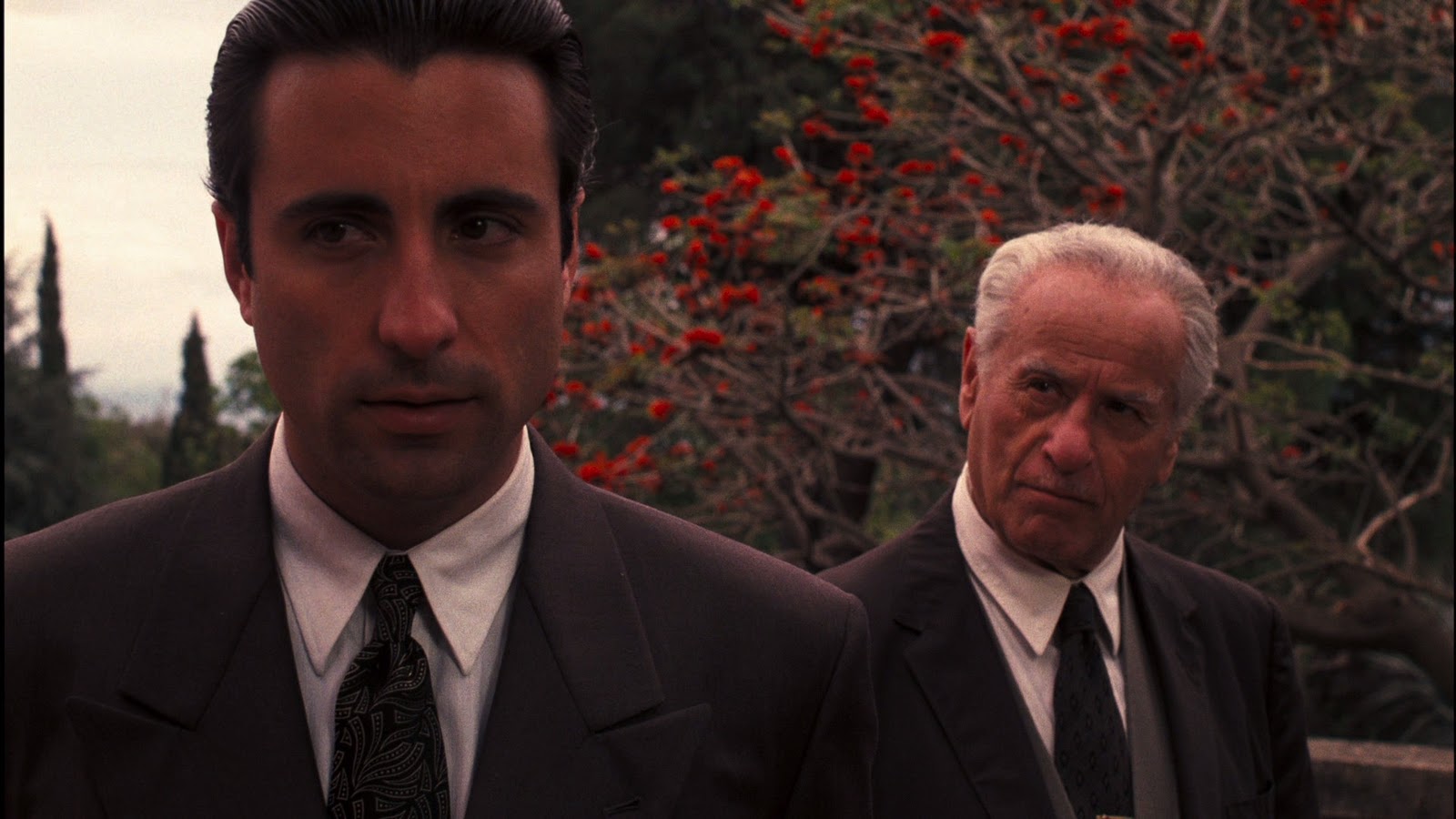
Indepth Look At The Cast Of The Godfather Part Iii Roles And Impact
Lead: A film often overshadowed by its predecessors, The Godfather Part III has long been a subject of intense critical discussion and audience debate, particularly concerning its ensemble cast. Despite its polarizing reception upon release, a renewed focus on its performances, especially with the recent re-cut as The Godfather Coda: The Death of Michael Corleone, has ignited fresh conversations about the actors' pivotal roles and their lasting impact on the film's legacy. This article provides an indepth look at the cast of The Godfather Part III, examining the contributions of its celebrated veterans and its divisive newcomers, and exploring how their portrayals ultimately shaped the film's contentious place in cinematic history.
What Is an Indepth Look at the Cast of The Godfather Part III
An indepth look at the cast of The Godfather Part III involves a comprehensive analysis of the principal actors who brought Francis Ford Coppola's concluding chapter to life. This examination extends beyond simply listing names; it delves into:
- Character Portrayals: How each actor embodied their role, both returning and new characters, within the complex narrative.
- Performance Reception: The critical and audience response to individual performances, noting areas of acclaim and criticism.
- Narrative Significance: The degree to which each actor's presence and performance influenced the film's plot, themes, and overall message.
- Legacy and Re-evaluation: How time and subsequent re-releases (like The Godfather Coda) have altered perceptions of the cast's contributions.
This deep dive aims to contextualize the performances within the broader cinematic landscape and the formidable shadow cast by the first two entries in the saga.
Why an Indepth Look at the Cast of The Godfather Part III
Interest in an indepth look at the cast of The Godfather Part III has seen a resurgence for several key reasons:
- The Release of The Godfather Coda: Francis Ford Coppola's re-edit, released in December 2020, provided a fresh perspective on the film, leading many viewers and critics to reconsider elements, including performances that were previously scrutinized. The re-sequenced and slightly re-scored version aimed to improve the pacing and clarify the narrative, prompting a fresh appraisal of the actors' work within this new context.
- Ongoing Cinematic Legacy Discussions: As a capstone to one of cinema's most revered trilogies, the film continuously generates discussion. Its perceived shortcomings, particularly in casting choices, remain a significant talking point, making any re-evaluation of its actors noteworthy.
- Anniversaries and Retrospectives: Major anniversaries of the original film's release (1972) and Part III's debut (1990) often trigger renewed critical analyses and retrospectives, bringing the performances back into the spotlight.
- Shifting Critical Perspectives: Over time, critical consensus can evolve. What was once seen as a definitive flaw might now be viewed with more nuance, encouraging a deeper look at the intentions and execution behind the performances.
Dates, Locations, or Key Details
The Godfather Part III premiered on December 20, 1990, in the United States, concluding a saga that began with The Godfather (1972) and continued with The Godfather Part II (1974). Filming took place in various locations, including Rome and Sicily, Italy, as well as New York City and the Dominican Republic. Key figures in its cast include:
- Al Pacino as Michael Corleone: Reprising his iconic role, Pacino portrays an aging, weary don seeking to legitimize his family.
- Diane Keaton as Kay Adams-Corleone: Returning as Michael's estranged wife, Keaton brings gravitas to a character navigating a life irrevocably tied to the Corleone empire.
- Andy Garcia as Vincent Mancini: Introduced as Sonny Corleone's illegitimate son, Garcia's performance aimed to establish a new heir apparent.
- Sofia Coppola as Mary Corleone: Francis Ford Coppola's daughter took on the crucial role of Michael's daughter, a performance that drew significant criticism upon release.
- Talia Shire as Connie Corleone: Michael's sister, Connie, grows into a more prominent and influential family figure.
- Eli Wallach as Don Altobello: A veteran actor portraying an old ally turned adversary.
The film's primary narrative centers on Michael's efforts to sever his family's ties to crime, secure a legitimate business deal with the Catholic Church, and find redemption.
How To Get Involved or Access an Indepth Look at the Cast of The Godfather Part III
For those interested in exploring the cast of The Godfather Part III and its impact, several avenues are available:
- Watch Both Film Versions: Engage directly by viewing the original 1990 theatrical release and The Godfather Coda: The Death of Michael Corleone (2020). Comparing the two can highlight how editing and pacing might shift perceptions of performances.
- Read Critical Analyses and Essays: Explore film criticism from reputable sources (e.g., The New York Times, The Hollywood Reporter, academic film journals) that specifically address the acting and casting choices.
- Listen to Film Podcasts and Documentaries: Many film history podcasts and documentaries offer retrospectives on the Godfather trilogy, often dedicating segments to the cast of the third installment.
- Participate in Online Film Communities: Join forums and social media groups dedicated to classic cinema or the Godfather films to discuss performances and share insights with other enthusiasts.
What To Expect
- Examination of Iconic Returns: A close look at how Al Pacino and Diane Keaton reprised their roles, bringing decades of character history to their portrayals of weariness and disillusionment.
- Analysis of Newcomers' Contributions: An assessment of Andy Garcia's energetic performance as Vincent and the challenging, often controversial, portrayal by Sofia Coppola as Mary.
- Contextualization of Performance Challenges: Understanding the pressures faced by the cast, particularly the difficulty of living up to the monumental expectations set by the first two films.
- Influence on the Film's Narrative Arc: How individual performances either bolstered or detracted from the film's overarching themes of redemption, legacy, and the inescapable nature of family ties.
The Broader Impact of an Indepth Look at the Cast of The Godfather Part III
An indepth look at the cast of The Godfather Part III profoundly influences how the film is perceived within the cultural and cinematic landscape. It underscores the immense challenge of concluding a beloved saga and the critical role casting plays in a film's reception. The discussions around certain performances, particularly Sofia Coppola's, have become a cautionary tale in nepotism critiques within Hollywood, yet also a point of re-evaluation, recognizing the pressure and the director's intention. The enduring debate surrounding the cast ensures the film remains a relevant subject for study in film schools and among cinephiles, highlighting the complex interplay between directorial vision, actor execution, and audience expectation.
The cast of 'The Godfather Part III' serves as a crucial case study in the anatomy of a cinematic legacy. While some performances anchored the film's intended gravitas, others became central to its initial critical struggle, illustrating just how much acting can shape a film's ultimate place in the pantheon.
Economic or Social Insights
The continuous discussion and re-evaluation of The Godfather Part III's cast, particularly amplified by the release of The Godfather Coda, demonstrates the significant economic and social value of established film franchises. Re-releases and director's cuts, driven by a renewed interest in elements like cast performances, can generate substantial revenue through streaming platforms, physical media sales, and special theatrical engagements. This phenomenon, often observed in major digital media such as Variety or TheWrap, highlights how critical reappraisals and public discourse around specific actors or roles can fuel new viewership and commercial success years, or even decades, after a film's initial release, ensuring its ongoing cultural footprint.
Frequently Asked Questions About an Indepth Look at the Cast of The Godfather Part III
- What is an indepth look at the cast of The Godfather Part III: Roles and Impact? This refers to a detailed examination of the actors in the third Godfather film, focusing on their specific portrayals, how these roles were received critically, and their overall contribution to the film's narrative and lasting legacy.
- Why is an indepth look at the cast of The Godfather Part III: Roles and Impact popular? Its popularity stems from the film's status as the controversial conclusion to a legendary trilogy, heightened by recent re-evaluations (like The Godfather Coda) and ongoing discussions about certain casting choices and performances that continue to spark debate among film enthusiasts.
- How can people participate or experience it? Individuals can engage by watching both versions of the film, reading scholarly articles and critical reviews, listening to film analysis podcasts, and joining online discussions in film communities to share their perspectives on the cast's contributions.
- Is it legitimate or official? This is a legitimate area of film study and critical analysis. While not an official product or event, it represents valid critical inquiry into a significant piece of cinematic history and its performers.
- What can attendees or users expect? Those engaging with this topic can expect a deeper understanding of the challenges and triumphs faced by the actors, insights into the film's production context, and a more nuanced appreciation of how each performance contributed to the film's divisive yet enduring place in cinema.
Conclusion
An indepth look at the cast of The Godfather Part III reveals more than just individual performances; it uncovers the intricate layers of expectation, critical reception, and evolving cinematic legacies. From the formidable returns of Al Pacino and Diane Keaton to the controversial casting of Sofia Coppola and the impactful introduction of Andy Garcia, the ensemble's collective efforts remain central to understanding the film's complex identity. This ongoing analysis ensures that The Godfather Part III, despite its initial struggles, continues to provoke thought and discussion, solidifying its place as a fascinating, albeit contentious, cornerstone of American cinema.
Call to Action: Explore the rich history of the Corleone saga by watching The Godfather Part III and its acclaimed re-cut, The Godfather Coda: The Death of Michael Corleone, available on major streaming platforms and physical media. Delve into the numerous critical essays and fan discussions to form your own informed opinion on its iconic and impactful cast.