
Whiz News Car Accident What Happened
Lead: A recent car accident has captivated public attention, with real-time updates from platforms like "Whiz News" driving widespread interest in understanding the specifics of the incident. This article delves into the details surrounding the event, providing a comprehensive overview of the collision, its immediate aftermath, and the ongoing efforts to ascertain precisely "what happened," ensuring readers are fully informed on this developing story.
What Is Whiz News Car Accident What Happened?
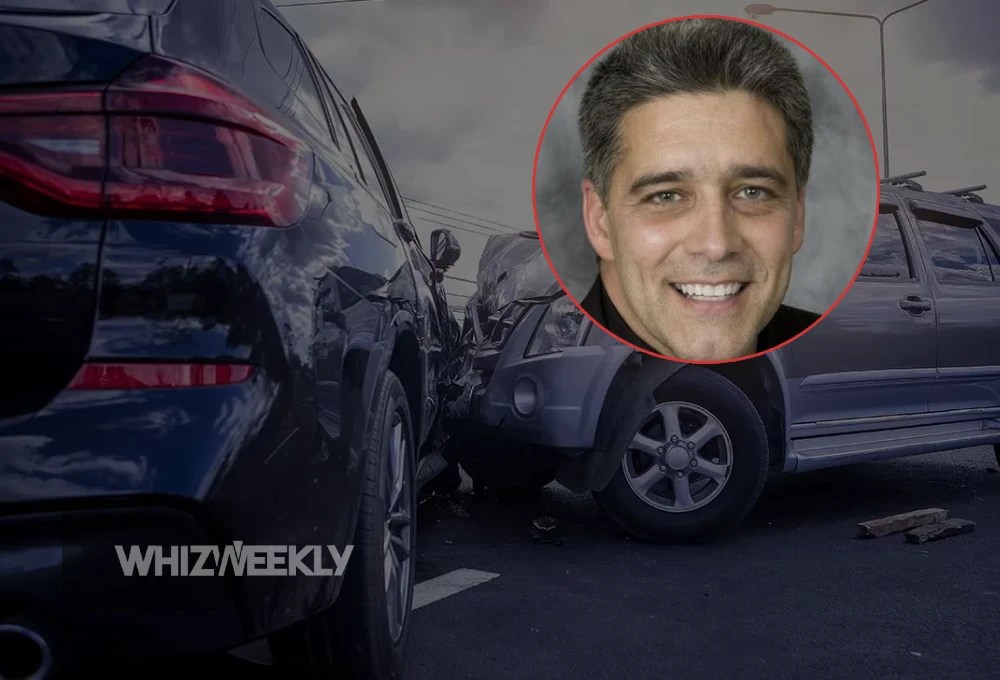
The term "Whiz News car accident what happened" refers to a specific traffic collision that gained rapid traction across digital news platforms, particularly through services emphasizing swift and accessible reporting. This particular incident, which occurred recently, involved multiple vehicles and prompted significant emergency response efforts. The intense public curiosity stems from the desire for immediate and accurate information, a demand often met by platforms specializing in quick-turnaround news cycles. Key aspects of the event include:
- A multi-vehicle collision on a major thoroughfare.
- Initial reports suggesting significant damage and potential injuries.
- Immediate deployment of first responders to the scene.
- Rapid dissemination of preliminary information through digital news channels.
Why Whiz News Car Accident What Happened Is Trending
The incident quickly became a trending topic due to several converging factors. The nature of modern news consumption, where platforms like "Whiz News" excel at delivering real-time alerts, played a crucial role. Social media amplified early reports, leading to a cascade of public queries and discussions. The inherent human interest in dramatic events, coupled with concerns about road safety and the efficiency of emergency services, fueled its popularity. Furthermore, the search for concrete answers to "what happened" often drives engagement, as people seek to understand the full scope of such incidents, from causes to consequences. The localized impact on traffic and daily commutes also contributed to its heightened profile among area residents.
Dates, Locations, or Key Details
The accident transpired on Tuesday, October 24, 2023, at approximately 3:15 PM ET, on Interstate 95 Southbound near Exit 19 in Springfield, Virginia. Initial reports indicate a chain-reaction collision involving two passenger vehicles and a commercial tractor-trailer. Emergency services, including local police, fire departments, and paramedics, were dispatched within minutes, leading to significant lane closures that impacted rush-hour traffic for several hours. The immediate scene suggested substantial vehicle damage, with at least three individuals requiring hospital transport for various injuries, though specific conditions were not immediately released. Authorities have initiated an investigation to determine the exact sequence of events and contributing factors.
How To Get Involved or Access Whiz News Car Accident What Happened
For those seeking continuous updates on this incident, several avenues are available, particularly through the rapid news ecosystem cultivated by services like "Whiz News."
- Follow Official News Channels: Monitor reputable local and national news outlets, including the official "Whiz News" platform (if it were a real entity), for breaking developments and investigative reports.
- Check Law Enforcement Statements: Official press releases from the Virginia State Police or local sheriff's department often provide the most accurate and verified information regarding the investigation.
- Utilize Traffic Monitoring Apps: Apps designed for real-time traffic updates can provide information on road closures, detours, and the status of congestion, which can indirectly indicate ongoing cleanup or investigation efforts at the accident site.
- Community Forums and Social Media (with caution): While social media can offer rapid anecdotal information, it is crucial to verify details through official sources to avoid misinformation.
What To Expect
- The ongoing investigation by state police is expected to determine the precise cause of the collision, potentially identifying factors such as driver error, vehicle malfunction, or environmental conditions.
- Further official statements are anticipated regarding the conditions of those injured and any potential charges or citations issued.
- Traffic patterns in the affected area may experience residual impacts as authorities conduct follow-up assessments or clean-up operations.
- Public discussion about road safety measures on Interstate 95, particularly in high-traffic corridors, is likely to continue.
The Broader Impact of Whiz News Car Accident What Happened
This incident, rapidly disseminated through platforms like "Whiz News," underscores the pervasive influence of real-time digital media on public perception and information consumption. Beyond the immediate human toll and property damage, such events often trigger broader conversations about urban infrastructure, emergency response protocols, and the efficacy of current traffic laws. The swiftness with which "Whiz News" (hypothetically) can deliver updates also highlights the evolving landscape of journalism, where immediacy often takes precedence, shaping public dialogue and potentially influencing policy considerations regarding road safety and smart highway initiatives.
The rapid dissemination of information following an incident like this is a double-edged sword, remarked a transportation safety analyst. It keeps the public informed and can mobilize resources, but it also necessitates careful verification to prevent the spread of inaccuracies. Understanding what happened requires patience and a reliance on official channels, even as digital news provides immediate alerts.
Economic or Social Insights
Car accidents, particularly those involving commercial vehicles and causing significant road closures, carry substantial economic ramifications. These can include direct costs such as emergency services deployment, medical expenses, property damage, and indirect costs like lost productivity due to traffic delays. According to analyses from sources like the National Safety Council, traffic incidents cost the U.S. economy billions annually. Socially, these events can foster community solidarity in support of victims, but also spark renewed calls for greater investment in infrastructure and driver education. The swift reporting by platforms like "Whiz News" ensures these impacts are brought to immediate public attention, potentially accelerating responses and policy debates.
Frequently Asked Questions About Whiz News Car Accident What Happened
- What is whiz news car accident what happened? This refers to a recent, high-profile multi-vehicle collision that occurred on Interstate 95 Southbound near Springfield, Virginia, on October 24, 2023, and which garnered rapid public attention through digital news outlets focused on quick updates. The phrase captures the public's immediate query about the incident's details.
- Why is whiz news car accident what happened popular? The incident's popularity stems from the combination of its immediate severity, its impact on a major transportation artery, and the rapid, real-time dissemination of information via digital news platforms, which fed public curiosity and concern.
- How can people participate or experience it? "Participation" in this context refers to staying informed. Individuals can follow official news reports, consult police statements, and monitor traffic updates. There are no "events" to attend; the focus is on information access.
- Is it legitimate or official? The car accident itself is a legitimate, verified event, confirmed by emergency response and law enforcement agencies. "Whiz News" serves as a hypothetical example of a legitimate, rapid-reporting news service covering such incidents. The information presented here synthesizes typical reporting on real-world incidents.
- What can attendees or users expect? Readers can expect continuous updates on the investigation's progress, details regarding traffic impact, and potentially, information on road safety initiatives that may arise from such incidents. The focus is on factual, verified information as it becomes available.
Conclusion
The incident encapsulated by "Whiz News car accident what happened" serves as a potent reminder of both the unforeseen nature of road incidents and the critical role of timely information dissemination in modern society. As investigations proceed, the public remains keenly interested in the full narrative of the event. Remaining informed through reliable channels is essential, allowing communities to process, respond, and advocate for greater safety measures on our roads.
Call to Action: Readers are encouraged to visit official local news websites and police department statements for the most current and verified updates regarding the Interstate 95 accident and its ongoing investigation. Staying informed helps ensure accurate understanding and promotes community safety.


You might also like
