Unveiling The Truth Navigating Online Mugshots Arrest Records
Lead: In an increasingly digital world, the ability to access public information has expanded dramatically, bringing both unprecedented transparency and complex challenges. Among the most discussed aspects of this shift is the proliferation of online mugshots and arrest records. This article delves into the intricate process of unveiling the truth navigating online mugshots arrest records, providing U.S. readers with a comprehensive guide to understanding their origins, implications, and how to approach this sensitive information. The objective is to shed light on what these records represent, why they are publicly available, and the societal impact they carry.
What Is Unveiling the Truth
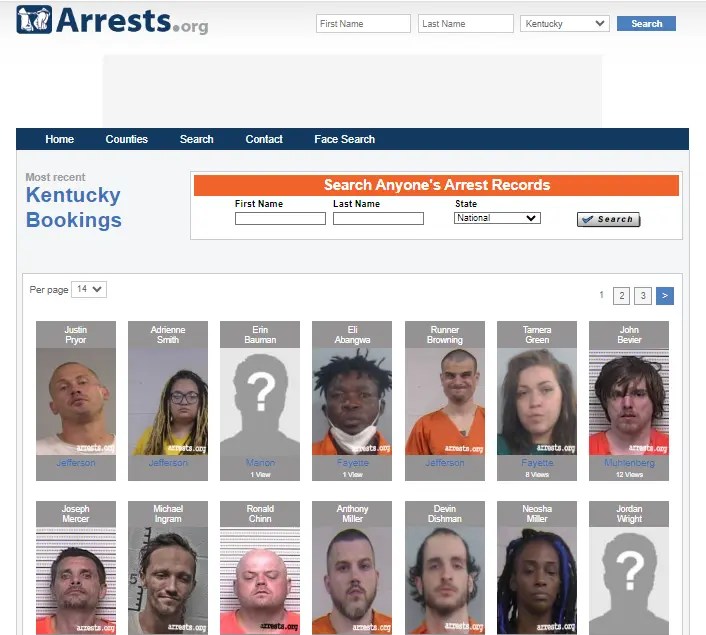
The term "unveiling the truth navigating online mugshots arrest records" refers to the comprehensive process of understanding, accessing, and interpreting the publicly available information concerning individuals' arrests and booking photographs. This encompasses more than just finding a record; it involves critically assessing its accuracy, timeliness, and the broader context of its availability online. These records, typically originating from law enforcement agencies, include:
- Mugshots: Photographs taken by police after an arrest, used for identification purposes.
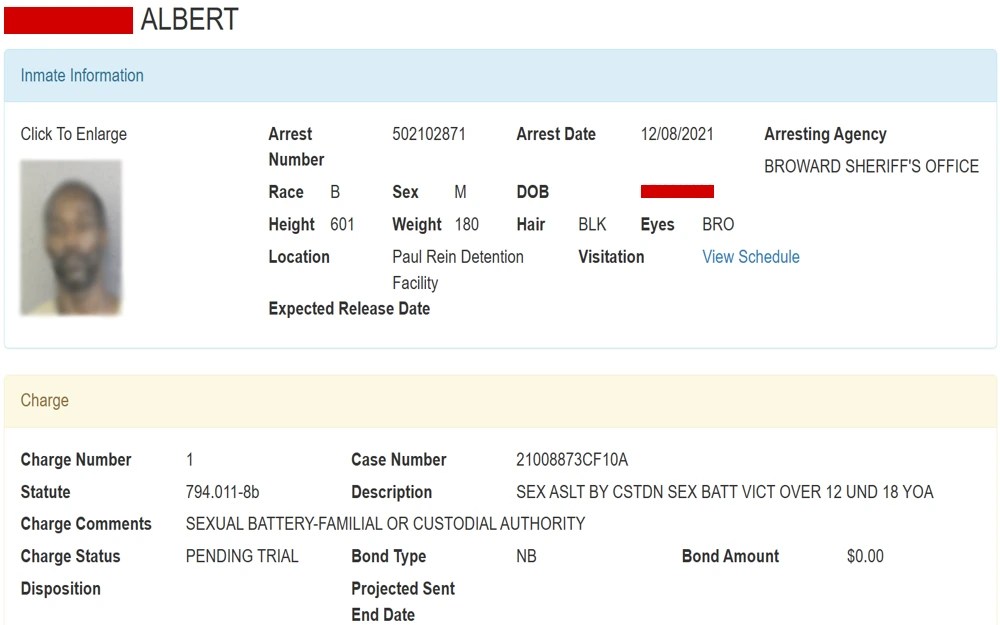
- Arrest Records: Official documents detailing an individual's apprehension by law enforcement, including charges, date, and location of arrest.
- Public Access: The legal framework that allows these records to be accessible to the general public, often through government portals or third-party websites.
The core challenge lies in discerning reliable information from potentially misleading or outdated data, all while understanding the implications for individuals whose lives are documented in these digital footprints.
Why Unveiling the Truth
The growing interest in unveiling the truth navigating online mugshots arrest records stems from several societal and technological factors. The internet's pervasive reach has made it easier than ever for individuals to search for information about others, whether for background checks, personal curiosity, or journalistic purposes. This accessibility has fostered a significant demand for such data, leading to a rise in dedicated websites that aggregate and publish these records. Furthermore, public discourse around criminal justice reform, transparency in policing, and privacy rights has amplified the significance of these digital documents. The ease of access often clashes with the personal ramifications for individuals, creating a constant tension that keeps the topic in the spotlight.
Dates, Locations, or Key Details
The availability of mugshots and arrest records online is largely rooted in the evolution of public records laws in the United States, such as the Freedom of Information Act (FOIA) at the federal level and similar "sunshine laws" enacted by individual states. Historically, these records were accessible primarily through physical requests at courthouses or law enforcement agencies. The digital revolution, particularly from the early 2000s onwards, saw a significant shift, as government agencies began digitizing records and making them available on official websites. Concurrently, a new industry emerged: third-party websites that scraped, aggregated, and republished these public records, often without charge for viewing but sometimes demanding fees for removal. Key locations for accessing foundational records include state judiciary websites, county sheriff's office portals, and local police department online databases. The trend is ongoing, with legislative efforts in various states attempting to restrict the commercial exploitation or automatic publication of certain mugshots, especially for minor offenses or when charges are dropped.
How To Get Involved or Access Unveiling the Truth
Accessing and understanding online mugshots and arrest records requires a methodical approach. The primary objective is to engage with accurate and legitimate sources:
- Official Government Websites: Start by searching the websites of specific county sheriff's offices, police departments, or state court systems where an arrest or judicial action might have occurred. Many jurisdictions provide online inmate search tools or court docket lookups.
- Public Records Databases: Some state and federal agencies maintain comprehensive public records databases. For instance, the National Archive and Records Administration (NARA) can offer historical context, while state Bureaus of Investigation often list publicly available criminal records.
- Reputable Third-Party Aggregators: While caution is advised, some legitimate background check services compile public records. Always verify their sources and methodology. Avoid sites that demand payment for basic information or guarantee record removal for a fee without official process.
- Understand the Scope: Be aware that records vary by jurisdiction. What is public in one state might be restricted in another. Details can include booking photos, charges filed, arrest dates, and sometimes court dispositions (though these often require separate court record searches).
- Legal Guidance for Removal/Correction: If a record is inaccurate or if removal is sought (e.g., after expungement), consult legal counsel. The process typically involves court orders or specific state statutes, not simply paying a website.
What To Expect
- Varying Levels of Detail: Information can range from a basic mugshot and arrest date to detailed charge sheets and court outcomes, depending on the source and jurisdiction.
- Potential for Outdated Information: Online records, especially on third-party sites, may not always reflect the latest legal developments, such as dropped charges or expungements.
- Challenges in Record Correction/Removal: Correcting errors or removing records, even those expunged, can be a complex and lengthy process, particularly from commercial mugshot websites.
The Broader Impact of Unveiling the Truth
The ability to easily access online mugshots and arrest records has a profound impact across various facets of life. For individuals, a public record of even a minor arrestespecially one that did not lead to a convictioncan severely impede employment prospects, housing applications, and social standing. Employers and landlords often conduct online searches, and an old mugshot can create an immediate, negative perception. Culturally, these records fuel a constant tension between the public's right to know and an individual's right to privacy and a fresh start. The digital permanence of these records often means that the consequences of an arrest can linger long after any legal resolution, creating what many call a "digital scarlet letter."
The ease with which mugshots and arrest records can be found online has transformed what were once bureaucratic documents into potent tools for reputation damage. It forces a critical re-evaluation of what public record truly means in the digital age, and how we balance transparency with the potential for lifelong personal and professional repercussions for individuals.
Economic or Social Insights
The ecosystem surrounding online mugshots and arrest records has also generated a distinct economic niche. Numerous websites operate by publishing these records, often sourced from public databases, and then offer "removal services" for a fee. This business model has been highly controversial, leading to accusations of extortion and "predatory publishing." Some states have passed laws targeting these sites, limiting their ability to charge for removal or requiring them to take down records under certain conditions. The existence of this industry highlights a significant social dilemma: the monetization of public data, often at the expense of individuals' privacy and rehabilitation. Insights from consumer protection agencies and legal ethics journals frequently point to the need for greater regulation and transparency in this sector.
Frequently Asked Questions About Unveiling the Truth
- What is unveiling the truth navigating online mugshots arrest records? It refers to the process of understanding and critically assessing publicly available online information about individuals' arrests, including booking photos and criminal charges, to gain accurate insight into these records.
- Why is unveiling the truth navigating online mugshots arrest records popular? Its popularity stems from increased digital transparency, public interest in background information for various purposes (e.g., employment, housing), and the rise of online platforms that aggregate and publish these public records.
- How can people participate or experience it? People can access these records by searching official government websites (sheriff's offices, court dockets) or reputable public records databases. Careful vetting of third-party sites is essential to ensure accuracy.
- Is it legitimate or official? The underlying records are official public documents, but their aggregation and presentation on commercial websites may not always be official or up-to-date, making critical discernment crucial.
- What can attendees or users expect? Users can expect to find a range of details from basic arrest information to mugshots. They should also anticipate variations in data quality and completeness across different sources and jurisdictions.
Conclusion
The journey of unveiling the truth navigating online mugshots arrest records is a complex but necessary endeavor in the contemporary digital landscape. While public access to these records promotes transparency and accountability within the justice system, it also presents significant challenges for individuals whose lives are documented online. A nuanced understanding of how these records are created, disseminated, and interpreted is crucial for U.S. readers seeking to make informed decisions, whether for personal reasons, professional due diligence, or broader civic engagement. The ongoing debate between public right to know and individual privacy rights ensures that this topic will remain a critical area of focus for legal scholars, policymakers, and the public alike.
Call to Action: Readers are encouraged to deepen their understanding by consulting official government sources for arrest records, staying informed about legislative changes regarding public information, and engaging with discussions on privacy and transparency in the digital age.