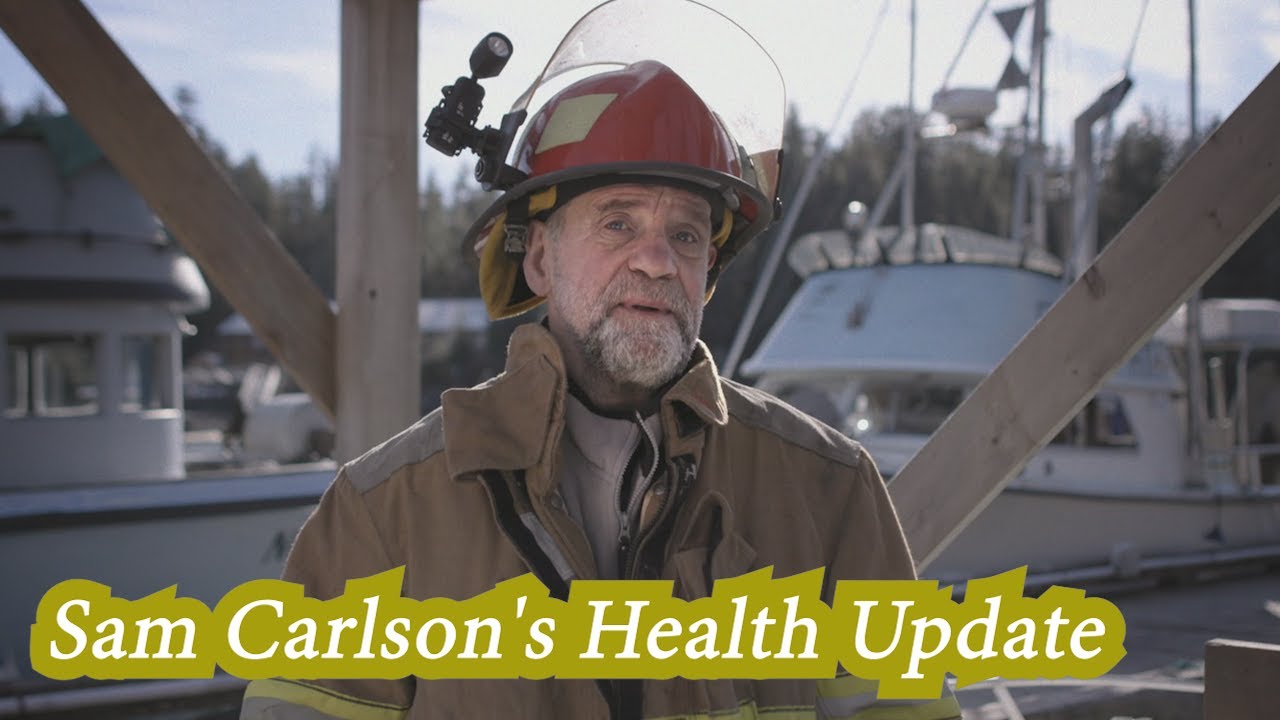
Sam Carlson Life Love And Port Protection
Lead: In the rugged, isolated landscape of Southeast Alaska, a unique narrative unfolds, captivating audiences with its raw authenticity and deep human connection. This is the story of Sam Carlson, whose life, loves, and enduring commitment to Port Protection have become a focal point for those drawn to tales of resilience and self-reliance. As a prominent figure in a popular reality television series, Carlson embodies the spirit of a community that thrives on its own terms, offering a compelling glimpse into a world where survival is a daily art form and personal bonds are forged against the backdrop of an unforgiving wilderness. Readers will discover the compelling elements that make Carlson's journey a resonant narrative in contemporary media, exploring the unique challenges and profound rewards of his chosen path.
What Is Sam Carlson's Life, Love, and Port Protection?
The essence of "Sam Carlson Life, Love, and Port Protection" centers on the experiences of Sam Carlson, a long-time resident of the remote Alaskan community of Port Protection. His story is prominently featured in the National Geographic television series Port Protection Alaska, which chronicles the lives of individuals who choose to live off the grid, sustaining themselves through hunting, fishing, and ingenuity in one of the most challenging environments on Earth. For Carlson, this isn't merely a lifestyle; it is a profound connection to the land and sea that defines his existence.
- Sam Carlson's Background: Known for his extensive knowledge of the Alaskan wilderness, traditional hunting and fishing methods, and his steadfast demeanor.
- Port Protection: A tiny, unincorporated community in Prince of Wales-Hyder Census Area, Alaska, accessible primarily by boat or float plane, with no roads connecting it to the outside world.
- The Show's Focus: The series highlights the daily struggles, triumphs, and interdependencies of a small group of residents facing harsh weather, limited resources, and the constant need for self-sufficiency.
Why Sam Carlson's Life, Love, and Port Protection Is Trending
The burgeoning interest in Sam Carlson and the Port Protection narrative stems from a societal yearning for authenticity, self-sufficiency, and a return to fundamental human values. In an increasingly digital and urbanized world, the stark reality of life in Port Protection offers a powerful counter-narrative, resonating with audiences who are fascinated by the challenges and triumphs of off-grid living. The popularity of the series, and Carlsons role within it, reflects a broader cultural appreciation for stories of survival, resourcefulness, and community cohesion in extreme conditions. His journey showcases the beauty of the natural world alongside the demanding nature of forging a life within it, tapping into a collective desire for simpler, more tangible experiences.
Dates, Locations, or Key Details
Port Protection is situated on Prince of Wales Island in Southeast Alaska, a region characterized by dense forests, intricate waterways, and abundant wildlife. The community itself is small, with a population that often hovers around 50-100 year-round residents. The Port Protection Alaska series began airing in 2015, bringing the unique lives of its inhabitants, including Sam Carlson, into the homes of viewers across the United States. Episodes typically depict the seasonal cycles of life, from winter's brutal challenges to the summer's critical harvest periods, showcasing the relentless effort required to endure. Key details often revolve around:
- The Alaskan Environment: Emphasizing the extreme weather conditions, rugged terrain, and rich natural resources.
- Self-Reliance: Documenting the residents' reliance on hunting, fishing, trapping, and gardening for sustenance.
- Community Bonds: Highlighting the interdependent nature of the small community, where neighbors often rely on each other for assistance and companionship.
- Carlson's Expertise: Showcasing Sam Carlsons mastery of traditional skills, his wisdom gained from decades of experience, and his role as a mentor within the community.
How To Get Involved or Access Sam Carlson's Life, Love, and Port Protection
Engaging with the narrative of Sam Carlson and Port Protection primarily involves following the television series and related content. For those interested in this unique lifestyle, here are practical steps to connect:
- Watch the Series: The Port Protection Alaska series is available on various platforms, including National Geographic Channel, Disney+, and through streaming services that offer National Geographic content. Checking local cable providers or digital storefronts for episode availability is recommended.
- Explore Related Content: National Geographic often publishes supplementary articles, interviews, and behind-the-scenes footage online, offering deeper insights into the lives of the residents and the challenges they face.
- Engage in Online Communities: Fan forums and social media groups dedicated to the show provide platforms for discussion, sharing observations, and connecting with other enthusiasts of remote living documentaries.
- Learn About Alaskan Culture: Many educational resources and documentaries explore Alaskan indigenous cultures and the history of frontier living, offering broader context to the themes presented in the series.
What To Expect
- Authentic Portrayal of Remote Living: Viewers can anticipate a genuine depiction of the daily struggles and triumphs faced by those living off the grid in a harsh environment.
- Focus on Resourcefulness: The series consistently highlights the ingenuity and practical skills required for survival, from repairing equipment to securing food.
- Human Stories of Resilience: Expect to witness profound personal narratives of individuals confronting nature's challenges with unwavering determination and strong community ties.
- Breathtaking Alaskan Scenery: The show is visually stunning, offering immersive views of Alaskas untouched wilderness and abundant wildlife.
The Broader Impact of Sam Carlson's Life, Love, and Port Protection
The story of Sam Carlson and the community of Port Protection extends beyond mere entertainment, influencing cultural perceptions of self-sufficiency, community, and humanitys relationship with the natural world. In an era of increasing environmental awareness and discussions about sustainable living, the series serves as a tangible example of a life lived in harmony, albeit sometimes in conflict, with nature. It sparks conversations about the viability of alternative lifestyles and the profound psychological benefits of deep connection to one's environment. The shows success highlights a segment of the population fascinated by the notion of escaping modern complexities for a more fundamental existence, inadvertently promoting an appreciation for traditional skills and ecological stewardship.
The draw of Port Protection isn't just about the stunning scenery or the thrill of survival; its about watching people genuinely build a life on their own terms, proving that resilience and community are still powerful forces in our world, observed a fan of the series.
Economic or Social Insights
The economic model of Port Protection is far removed from the globalized consumer economy, relying heavily on a subsistence lifestyle complemented by commercial fishing, trapping, and limited tourism services. The visibility brought by the television series, while not directly commercializing the community, has inadvertently generated interest in Alaskas remote areas and the unique challenges faced by its residents. This exposure can contribute to a subtle increase in awareness for local Alaskan crafts, small-scale tourism, or conservation efforts in the broader region. Socially, the program underscores the importance of close-knit communities, where shared labor, mutual support, and generational knowledge transfer are vital for survival. The show portrays a micro-economy built on bartering, resourcefulness, and communal interdependence, offering a stark contrast to typical urban economic structures, as noted by discussions in digital media exploring alternative economic models.
Frequently Asked Questions About Sam Carlson's Life, Love, and Port Protection
- What is Sam Carlson's life, love, and Port Protection? It refers to the real-life experiences of Sam Carlson, a prominent figure in the National Geographic series Port Protection Alaska, showcasing his daily existence, personal relationships, and deep connection to the remote Alaskan community where he resides.
- Why is Sam Carlson's life, love, and Port Protection popular? Its popularity stems from the authentic portrayal of a demanding off-grid lifestyle, the captivating human stories of resilience, and the universal appeal of individuals living purposefully and independently in the face of nature's challenges.
- How can people participate or experience it? The primary way to experience this narrative is by watching the Port Protection Alaska television series on National Geographic channels or streaming platforms. Engaging with online fan communities also provides a way to discuss and appreciate the content.
- Is it legitimate or official? Yes, the series Port Protection Alaska is a legitimate documentary-style reality television show produced by National Geographic, providing an authentic look into the lives of real residents of the Port Protection community.
- What can attendees or users expect? Viewers can expect an unvarnished look at frontier living, demonstrating the skills, perseverance, and emotional bonds required to thrive in a remote Alaskan settlement, alongside stunning cinematography of the natural landscape.
Conclusion
Sam Carlsons life, loves, and unwavering dedication to Port Protection stand as a testament to the enduring human spirit and the profound attraction of a life lived close to nature. His narrative, brought to the forefront by the Port Protection Alaska series, offers more than just entertainment; it provides a window into a world where resilience, community, and self-reliance are not just ideals but daily necessities. It is a story that reminds viewers of the strength found in simplicity and the richness of a life deeply rooted in a particular place, inspiring reflection on our own connections to land and community.
Call to Action: To delve deeper into Sam Carlson's captivating journey and the unique challenges of Alaskan frontier life, explore episodes of Port Protection Alaska available on National Geographic and Disney+. Follow verified updates from National Geographic for additional insights and compelling stories from this extraordinary community.