Gypsy Roses Moms Death A Story Of Deception Murder
Lead: The tragic and complex case surrounding Gypsy Rose Blanchard and the murder of her mother, Dee Dee Blanchard, continues to captivate public attention, illustrating a harrowing tale of long-term medical abuse culminating in a shocking act. This saga, often referred to as Gypsy Rose's mom's death: a story of deception and murder, delves into the dark realities of Munchausen by proxy syndrome, alleged manipulation, and the desperate actions taken to escape years of suffering. Readers will learn about the intricate details of the case, its enduring relevance in true crime, and the profound questions it raises about victimhood, justice, and the systems designed to protect the vulnerable.
What Is Gypsy Rose's Mom's Death
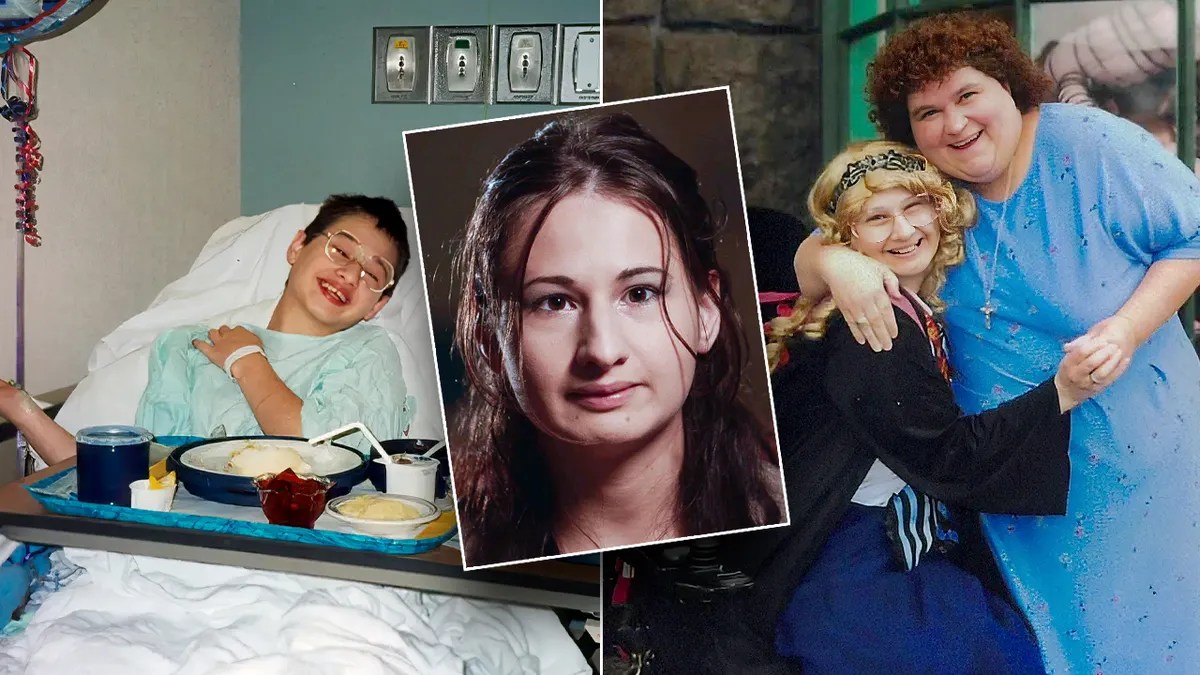
At its core, Gypsy Rose's mom's death: a story of deception and murder refers to the 2015 killing of Clauddine "Dee Dee" Blanchard, orchestrated by her daughter, Gypsy Rose Blanchard, and Gypsy's then-boyfriend, Nicholas Godejohn. The murder brought to light years of severe child abuse, where Dee Dee allegedly fabricated numerous illnesses for Gypsy Rose, subjecting her to unnecessary medical procedures, medications, and physical restraints, a condition known as Munchausen by proxy syndrome.
- Dee Dee Blanchard falsely claimed Gypsy Rose suffered from leukemia, muscular dystrophy, seizures, and numerous other debilitating conditions.
- Gypsy Rose was confined to a wheelchair, fed through a feeding tube, and underwent multiple surgeries, all without genuine medical necessity.
- The deception involved manipulating doctors, charities, and the community into believing Gypsy Rose was terminally ill, securing financial aid and public sympathy.
- The murder was an act of desperation by Gypsy Rose, who felt her only escape from her mother's control was Dee Dee's death.
Why Gypsy Rose's Mom's Death
The narrative of Gypsy Rose's mom's death: a story of deception and murder maintains significant public interest due to its extraordinary elements of psychological manipulation, extreme abuse, and the moral complexities surrounding the crime. Its enduring popularity stems from several factors, including widespread media coverage, critically acclaimed documentaries, and a compelling limited series that brought the story to a global audience. The case challenges perceptions of good and evil, victim and perpetrator, making it a powerful subject for discussion on social media, true-crime forums, and educational platforms examining mental health and legal ethics.
Dates, Locations, or Key Details
The pivotal events of this case unfolded primarily in Springfield, Missouri, where Dee Dee and Gypsy Rose Blanchard resided. The timeline is crucial for understanding the escalation of the abuse and the eventual tragic outcome:
- 2015: The murder of Dee Dee Blanchard occurred in June. Gypsy Rose and Nicholas Godejohn were arrested shortly thereafter in Big Bend, Wisconsin.
- 2016: Gypsy Rose Blanchard pleaded guilty to second-degree murder and was sentenced to 10 years in prison.
- 2019: Nicholas Godejohn was found guilty of first-degree murder and sentenced to life in prison without parole.
- 2023: Gypsy Rose Blanchard was granted parole and released from prison in December, having served seven years of her sentence.
Key figures include Dr. Bernardo Flasterstein, a neurologist who suspected Munchausen by proxy early on, and Dr. Kent Hart, Gypsy Rose's ophthalmologist, who also raised concerns about her mother's claims. The detailed accounts from law enforcement and the subsequent trials provided the public with extensive insight into the shocking depths of the deception.
How To Get Involved or Access Gypsy Rose's Mom's Death
Individuals interested in delving deeper into Gypsy Rose's mom's death: a story of deception and murder can explore various resources that chronicle the case:
- Documentaries: View HBO's "Mommy Dead and Dearest" (2017) for a comprehensive look at the events leading up to and following Dee Dee's murder.
- Limited Series: Stream Hulu's "The Act" (2019), which dramatizes the story with acclaimed performances and provides a fictionalized yet deeply researched perspective.
- Books and Articles: Read true-crime books and extensive journalistic pieces that detail the investigation, trials, and psychological aspects of the case. Many reputable news archives offer in-depth reporting.
- Online Forums and Discussions: Engage with online communities on platforms like Reddit or YouTube, where discussions, theories, and analyses of the case are frequently shared.
What To Expect
- Understanding the devastating impact of Munchausen by proxy syndrome on its victims.
- Insight into the complex legal and ethical dilemmas surrounding a victim's role in a violent crime.
- A critical examination of how healthcare systems and child protective services can sometimes fail to identify and intervene in severe cases of abuse.
- Continued public debate on the nature of justice and rehabilitation for individuals like Gypsy Rose Blanchard.
The Broader Impact of Gypsy Rose's Mom's Death
The story of Gypsy Rose's mom's death: a story of deception and murder has significantly impacted cultural conversations surrounding child abuse, mental health, and the criminal justice system. It has brought Munchausen by proxy syndrome (now officially known as Factitious Disorder Imposed on Another, or FDIA) into mainstream awareness, encouraging greater vigilance among medical professionals and the public. The case sparked discussions about the challenges of detecting covert forms of abuse and the legal protections afforded to victims who resort to extreme measures for survival. Its portrayal in various media has also fueled the true-crime genre, demonstrating the public's fascination with complex psychological narratives and real-life mysteries.
The Blanchard case stands as a stark reminder of the insidious nature of medical child abuse and the profound psychological damage it inflicts, challenging us to consider the limits of victimhood and culpability in extreme circumstances.
Economic or Social Insights
The widespread media coverage of Gypsy Rose's mom's death: a story of deception and murder has contributed to the booming true-crime industry, influencing content creation across streaming platforms, podcasts, and publishing. Documentaries and series based on the case have garnered significant viewership, demonstrating the economic viability of narratives that combine psychological drama with real-world events. Socially, the case has stimulated discussions around parental rights, child welfare, and the availability of mental health resources for victims of long-term abuse. It underscores the importance of public awareness campaigns regarding FDIA and the need for more robust screening protocols in healthcare and social services, as highlighted by reports in publications like The New York Times and analyses by legal scholars.
Frequently Asked Questions About Gypsy Rose's Mom's Death
- What is Gypsy Rose's mom's death: a story of deception and murder? It refers to the 2015 killing of Dee Dee Blanchard, orchestrated by her daughter Gypsy Rose, who was a victim of severe and prolonged medical child abuse (Munchausen by proxy) inflicted by her mother. The case combines elements of extensive deception and a shocking murder.
- Why is Gypsy Rose's mom's death: a story of deception and murder popular? Its popularity stems from the extreme nature of the abuse, the psychological complexity of the characters, the moral ambiguity of the murder, and extensive coverage across documentaries, TV series, and news outlets.
- How can people participate or experience it? Individuals can learn about the case by watching documentaries like "Mommy Dead and Dearest" or the series "The Act," reading news articles and books, or engaging in online discussions on true-crime forums.
- Is it legitimate or official? Yes, the events described are factual and documented through police investigations, court proceedings, and extensive journalistic reporting. The murder, trials, and sentences are matters of public record.
- What can attendees or users expect? Those who delve into the story can expect a deeply disturbing yet fascinating narrative that explores themes of abuse, mental illness, desperation, and justice, offering a nuanced perspective on a highly unusual crime.
Conclusion
Gypsy Rose's mom's death: a story of deception and murder remains a compelling and harrowing chapter in American true crime, offering a profound look into the darkest corners of human behavior and resilience. The case of Dee Dee and Gypsy Rose Blanchard continues to serve as a critical reference point for understanding the intricacies of Munchausen by proxy syndrome, the long-term effects of child abuse, and the challenging paths to justice and recovery. Its multifaceted narrative ensures its place in public consciousness, inviting ongoing reflection on the protective mechanisms within society and the complexities of moral judgment.
Call to Action: To gain a full understanding of this intricate case, explore official court documents, reputable journalistic archives, and the acclaimed documentaries and series that have brought this story to light.