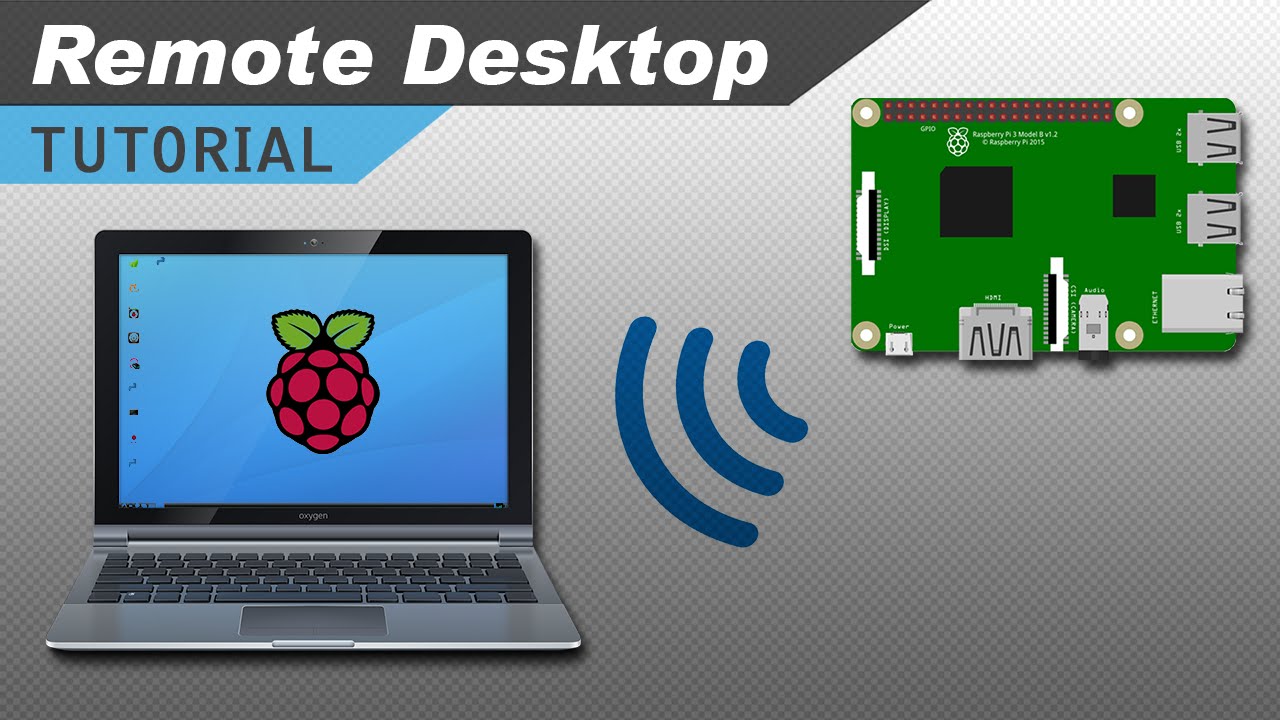
Free Remote Access To Raspberry Pi On Windows With Remoteit
Lead: In an era where connectivity is paramount, the ability to manage personal devices from afar has become increasingly valuable. For the vast community of Raspberry Pi users, educators, and hobbyists, achieving free remote access to a Raspberry Pi on Windows with remote.it represents a significant leap forward. This solution streamlines the process of connecting to these versatile single-board computers from any Windows machine, bypassing traditional network complexities and offering unparalleled convenience. This article delves into how this particular method functions, its growing importance, and the practical steps involved in setting up this powerful remote management capability.
What Is Free Remote Access to Raspberry Pi on Windows with remote.it?
Free remote access to a Raspberry Pi on Windows with remote.it refers to a method of establishing a secure connection to a Raspberry Pi from a Windows-based computer over the internet, without incurring subscription fees for basic use. The core of this system is the remote.it service, a cloud-based platform designed to facilitate secure peer-to-peer (P2P) connections between devices, even when they are behind firewalls or Network Address Translation (NAT) devices. This capability is crucial for anyone looking to:
- Monitor sensor data from a home automation project.
- Administer a personal web server hosted on a Raspberry Pi.
- Access a desktop environment (VNC) for graphical tasks.
- Securely transfer files via SSH without complex router configurations.
The remote.it service acts as a broker, allowing devices to discover and connect to each other securely, simplifying a process that traditionally required advanced networking knowledge, such as port forwarding or VPN setup.
Why Free Remote Access to Raspberry Pi on Windows with remote.it Is Trending
The burgeoning interest in free remote access to Raspberry Pi on Windows with remote.it stems from several key factors. The proliferation of the Internet of Things (IoT) and the Raspberry Pi's role as a foundational device for countless DIY projects have amplified the need for straightforward remote management. Traditional methods of remote access often involve configuring routers for port forwarding, which can be insecure and challenging for non-experts. Remote.it addresses these pain points by offering a solution that is:
- User-Friendly: Simplifies complex network configurations into a few clicks.
- Secure: Connections are encrypted and typically do not require opening ports on a router, reducing vulnerability.
- Cost-Effective: A free tier of service makes it accessible to hobbyists and students without budget constraints.
- Flexible: Enables access from virtually any internet-connected Windows device, regardless of location.
This accessibility aligns perfectly with the DIY ethos of the Raspberry Pi community, fostering greater experimentation and deployment of projects that require continuous, off-site monitoring and control.
Dates, Locations, or Key Details
The remote.it platform (formerly known as Weaved) has evolved over the years, refining its technology to offer increasingly robust and user-friendly remote connectivity solutions. While not tied to specific geographical locations or annual events, the service is globally available, empowering users across the U.S. and beyond. The "free" aspect typically refers to a generous tier of service suitable for individual projects, allowing users to connect a limited number of devices and services without charge. Paid plans are available for those requiring more extensive deployments or advanced features, but the core functionality for personal Pi management remains accessible without cost. This model supports a wide array of applications, from educational settings where students learn about network interaction to personal home labs where enthusiasts manage their smart devices.
How To Get Involved or Access Free Remote Access to Raspberry Pi on Windows with remote.it
Gaining free remote access to a Raspberry Pi from a Windows computer using remote.it involves a few straightforward steps:
- Create a remote.it Account: Begin by registering for a free account on the remote.it official website. This account will serve as the central hub for managing devices and services.
- Install the remote.it Agent on Raspberry Pi: On the Raspberry Pi, download and install the remote.it device package. This agent enables the Pi to connect to the remote.it cloud service and register its available services (e.g., SSH, VNC, HTTP).
- Register Services: Within the remote.it agent on the Pi, select and register the specific services that need to be accessed remotely. For example, registering SSH will allow secure command-line access, while registering VNC will enable a graphical desktop experience.
- Install the remote.it Desktop Application on Windows: Download and install the remote.it desktop application on the Windows computer from which the Raspberry Pi will be accessed. This application acts as the client-side interface.
- Connect to Raspberry Pi Services: Launch the remote.it desktop application on Windows, log in with the registered account, and the registered Raspberry Pi device and its services will be visible. Simply select the desired service (e.g., SSH, VNC) to establish a secure connection. The application will typically provide connection details or automatically launch a client for the service.
What To Expect
- Effortless Connectivity: Anticipate a seamless and reliable connection to the Raspberry Pi from any internet-connected Windows device, removing the typical hurdles of network configuration.
- Enhanced Security: The connections established through remote.it are generally encrypted, ensuring data privacy and integrity without the need for manual VPN setup or exposing ports.
- Comprehensive Management: The ability to manage multiple Raspberry Pis and a variety of services (SSH, VNC, HTTP, etc.) from a single, intuitive dashboard within the remote.it ecosystem.
- Increased Flexibility: The freedom to administer, monitor, and interact with Raspberry Pi projects whether at home, in the office, or while traveling.
The Broader Impact of Free Remote Access to Raspberry Pi on Windows with remote.it
The impact of this accessible remote access solution extends far beyond individual convenience. For the vast community of makers, educators, and small businesses utilizing Raspberry Pis, it democratizes access to sophisticated remote management capabilities. It lowers the barrier to entry for developing and maintaining projects ranging from home automation systems and personal cloud storage to educational tools and small-scale IoT deployments. This capability fosters innovation by allowing users to deploy Raspberry Pis in remote or less accessible locations and still maintain full control without needing a dedicated IT team or expensive networking equipment. The ability to troubleshoot, update, or reconfigure a Pi from anywhere enhances its utility as a versatile platform for learning and development.
The ability to manage a Raspberry Pi remotely and for free fundamentally changes how hobbyists and small developers approach their projects. It removes a significant technical hurdle, making these powerful mini-computers even more accessible for innovation. Technology Analyst.
Economic or Social Insights
From an economic standpoint, the provision of free remote access to Raspberry Pi on Windows with remote.it represents a valuable offering that can stimulate activity within the DIY tech sector. It reduces operational costs for individuals and small startups experimenting with embedded systems and IoT, allowing resources to be allocated more efficiently. Socially, it empowers a wider audience, including students and educators, to engage with complex computing concepts and real-world applications without significant financial outlay. This fosters a more inclusive environment for technological learning and experimentation, potentially leading to new community-driven projects and solutions. Services like remote.it indirectly contribute to the growth of the maker movement and the broader adoption of Linux-based embedded systems, as noted in various tech publications such as Hackaday and Make: Magazine.
Frequently Asked Questions About Free Remote Access to Raspberry Pi on Windows with remote.it
- What is free remote access to raspberry pi on windows with remoteit? This refers to securely connecting to a Raspberry Pi from a Windows computer over the internet using the remote.it service, a platform that facilitates peer-to-peer connections without requiring complex router configurations or paid subscriptions for basic use.
- Why is free remote access to raspberry pi on windows with remoteit popular? Its popularity stems from its user-friendliness, enhanced security features, and cost-effectiveness, making advanced remote management of Raspberry Pi projects accessible to a broad audience of hobbyists, educators, and small-scale developers.
- How can people participate or experience it? Users can begin by creating a free account on the remote.it website, installing the remote.it agent on their Raspberry Pi, and installing the remote.it desktop application on their Windows PC to establish and manage connections.
- Is it legitimate or official? Yes, remote.it is a legitimate company that provides secure networking solutions. The free tier of service is an official offering designed to support individual users and basic remote access needs.
- What can attendees or users expect? Users can expect a reliable, encrypted connection to their Raspberry Pi's services (such as SSH, VNC, or web servers) from any internet-enabled Windows device, simplifying remote administration and monitoring.
Conclusion
Free remote access to a Raspberry Pi on Windows with remote.it stands as a testament to the ongoing innovation in network connectivity, making powerful tools accessible to everyone. By simplifying the complexities of remote network access, it empowers a new generation of creators, learners, and technologists to push the boundaries of what is possible with their Raspberry Pi projects. This method not only offers convenience and security but also contributes to a more connected and collaborative tech community, proving that advanced capabilities do not always come with a high cost or steep learning curve.
Call to Action: To begin exploring the full potential of your Raspberry Pi projects, visit the official remote.it website. Discover detailed setup guides and start leveraging free remote access from your Windows machine today to manage and monitor your devices from anywhere.