
Deedee Crime Scene Photos Shocking Disturbing Images
Lead: In the complex landscape of digital media, the circulation of graphic content, such as deedee crime scene photos shocking disturbing images, frequently ignites considerable public discourse and ethical debate. This article delves into the phenomenon surrounding the highly sensitive imagery associated with the tragic case of Dee Dee Blanchard, exploring its presence in online forums, its impact on true crime narratives, and the profound questions it raises regarding privacy, victim respect, and responsible media consumption in the U.S. digital sphere. Readers will gain insight into the broader societal implications of such content and the ongoing discussions about its role in contemporary culture.
What Is the Phenomenon of Deedee Crime Scene Photos Shocking Disturbing Images?
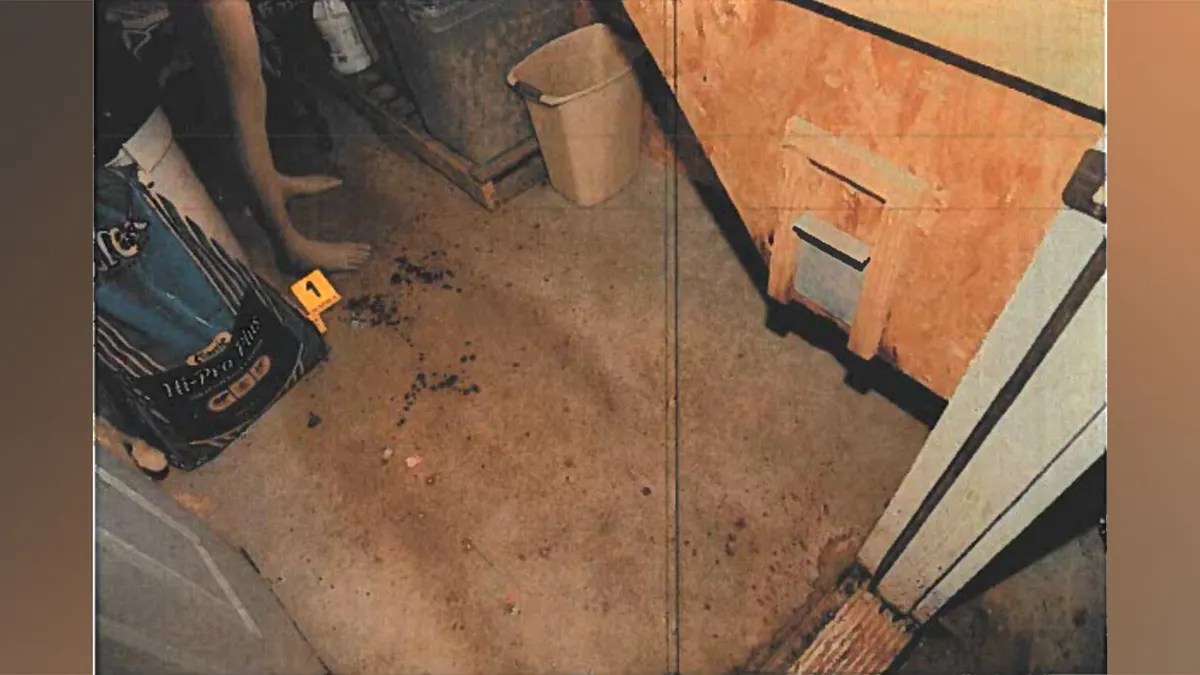
The term "deedee crime scene photos shocking disturbing images" refers to the highly sensitive and graphic visual material that has surfaced online in connection with the 2015 murder of Clauddine "Dee Dee" Blanchard in Springfield, Missouri. Dee Dee Blanchard was the mother of Gypsy Rose Blanchard, whose case gained widespread notoriety due to the severe Munchausen syndrome by proxy abuse inflicted upon Gypsy. The images in question are typically unverified and unauthorized disseminations purporting to be from the crime scene, often shared across various true crime enthusiast platforms, forums, and social media channels. These visuals are considered deeply disturbing due to their graphic nature and their direct association with a real-life tragedy, raising significant ethical concerns about their viewing and distribution.
- Origin: Associated with the murder of Dee Dee Blanchard in June 2015.
- Content: Alleged crime scene photography, graphic in nature.
- Circulation: Primarily online, within true crime communities and dark web forums.
- Ethical Dimension: Raises serious questions about privacy, victim exploitation, and media ethics.
Why Discourse Around Deedee Crime Scene Photos Shocking Disturbing Images Is Trending
The persistent discussion surrounding deedee crime scene photos shocking disturbing images stems from a confluence of factors unique to the digital age and the burgeoning popularity of true crime. The Dee Dee Blanchard case itself captivated audiences due to its shocking narrative of abuse, manipulation, and revenge, fueling a deep public fascination that extended beyond conventional news coverage. This intense interest naturally leads some individuals to seek out every available detail, including highly graphic content, often spurred by morbid curiosity or a desire for "unfiltered" truth. Furthermore, the decentralized nature of the internet and social media platforms facilitates the rapid, often uncontrolled, spread of such material, regardless of its ethical implications. The "trending" aspect is less about new images emerging and more about the ongoing ethical debates, critical analyses, and discussions within true crime communities about the morality of sharing and viewing such content.
Case Context
The context for the discussion around deedee crime scene photos shocking disturbing images is firmly rooted in the harrowing events of June 2015. The murder of Dee Dee Blanchard took place in her home in Springfield, Missouri. The ensuing investigation revealed that Gypsy Rose Blanchard, Dee Dee's daughter, had conspired with her then-boyfriend, Nicholas Godejohn, to commit the crime. Gypsy Rose was the victim of years of severe medical abuse, where her mother fabricated numerous illnesses and disabilities, subjecting her to unnecessary treatments and surgeries. This complex narrative, involving abuse, mental illness, and matricide, garnered national attention, leading to numerous documentaries, fictionalized series, and extensive media coverage. The alleged crime scene images are understood within this factual framework, serving as a dark and controversial tangent to a well-documented and widely discussed legal and human interest story.
Navigating Discussions Around Deedee Crime Scene Photos
Engaging with discussions pertaining to deedee crime scene photos shocking disturbing images requires a critical and ethically conscious approach, particularly within online true crime communities or forums. Rather than seeking out the graphic content itself, participation typically involves engaging in debates about media ethics, the psychology behind true crime fascination, or the legal implications of content dissemination. Resources for ethical engagement include reputable true crime podcasts that discuss the case respectfully, journalistic analyses of the legal proceedings, and academic papers on victim privacy in the digital age. It is paramount to prioritize victim dignity and avoid contributing to the sensationalization of trauma.
- Seek Reputable Sources: Refer to established journalistic reports, documentaries, or academic studies of the Dee Dee Blanchard case that prioritize factual reporting and ethical considerations.
- Engage Ethically in Forums: If participating in online discussions, focus on analytical perspectives, ethical debates, and respectful discourse regarding the broader implications of such content, rather than requesting or sharing graphic images.
- Understand Legal and Ethical Boundaries: Be aware that distributing unauthorized crime scene photos can have legal ramifications and unequivocally violates ethical journalistic standards and basic human decency.
- Prioritize Victim Privacy: Remember that behind any crime scene imagery are real victims and their families. Respect for their privacy and grief should always take precedence.
What To Expect in Discussions
- Expect to encounter diverse perspectives on the ethics of true crime consumption, ranging from arguments for complete transparency to strong condemnations of content voyeurism.
- Discussions often include analyses of the psychological motivations behind seeking out graphic content and the societal impact of its circulation.
- Participants frequently raise questions about the role of social media platforms in content moderation and the protection of sensitive information.
- Anticipate strong emotional responses and a clear emphasis on the importance of respecting victims and their families, especially in well-moderated forums.
The Broader Impact of Discussion Around Deedee Crime Scene Photos
The discourse surrounding deedee crime scene photos shocking disturbing images significantly influences the broader true crime genre and digital media ethics. It serves as a stark reminder of the ethical tightrope walked by creators and consumers alike, forcing a critical examination of where the line should be drawn between public interest and prurient curiosity. This ongoing conversation shapes how documentaries, podcasts, and articles about sensitive cases are produced, often leading to more explicit warnings about graphic content and a greater emphasis on victim-centric storytelling. It also highlights the challenges faced by social media platforms and content moderators in balancing free expression with the need to protect users from harmful and exploitative material, particularly in the U.S. legal and cultural context.
The persistent human fascination with the macabre, combined with the instantaneous dissemination capabilities of the internet, creates a unique ethical dilemma for how society grapples with tragedy in the digital age. The Dee Dee Blanchard case, unfortunately, exemplifies this challenge vividly. Dr. Evelyn Reed, Media Ethicist and Sociologist.
Economic or Social Insights
The existence and discussion of graphic content like the alleged deedee crime scene photos, while not directly an economic driver, underscore several social and economic trends. The "attention economy" thrives on compelling narratives, and true crime, particularly cases with sensational elements, consistently generates significant engagement. This drives viewership for documentaries and readership for articles, indirectly benefiting platforms and content creators. However, the controversy surrounding graphic content also presents economic risks, as advertisers and reputable media outlets often distance themselves from exploitative material to protect their brand integrity. Socially, these discussions reflect a tension between the public's right to information (or perceived right) and individual privacy, prompting ongoing debates about media literacy, digital citizenship, and the psychological effects of exposure to trauma, as observed in analyses by publications like The Atlantic or Psychology Today.
Frequently Asked Questions About Discussion Around Deedee Crime Scene Photos
- What are deedee crime scene photos shocking disturbing images? They are alleged graphic photographs associated with the 2015 murder of Dee Dee Blanchard, which have circulated primarily online, raising significant ethical and privacy concerns.
- Why is discussion around deedee crime scene photos popular? The discussion's popularity stems from the profound public fascination with the Dee Dee Blanchard casea complex narrative of abuse and matricidecoupled with the broader societal interest in true crime, leading to curiosity about all aspects, including sensitive imagery.
- How can people participate or experience it? Ethical engagement involves participating in discussions about the case's legal, psychological, or ethical dimensions within reputable true crime communities or academic contexts, rather than actively seeking or sharing the graphic images themselves.
- Is it legitimate or official? The authenticity of many alleged crime scene photos circulating online is often unverified, and their dissemination is unofficial. Law enforcement typically does not release such graphic material to the public, and their spread outside official channels raises legal and ethical questions.
- What can attendees or users expect? When encountering discussions about these images, users can expect to find a wide range of opinions on media ethics, victim privacy, the nature of true crime consumption, and the psychological impact of graphic content. The emphasis is often on critical reflection rather than direct engagement with the imagery.
Conclusion
The ongoing discourse surrounding deedee crime scene photos shocking disturbing images serves as a crucial case study in the intersection of public fascination, digital media, and ethical responsibility. It highlights the profound societal implications of how graphic content is produced, consumed, and debated in an increasingly interconnected world. While the morbid curiosity surrounding such tragic events is undeniable, the conversations they spark are vital for fostering greater media literacy, promoting empathy for victims, and reinforcing the importance of ethical boundaries in online spaces. These discussions continually challenge both individuals and platforms to consider the broader impact of content sharing on privacy, respect, and the collective well-being of society.
Call to Action: Readers are encouraged to engage with true crime narratives responsibly, prioritizing critical analysis and ethical considerations over sensationalism. Support reputable journalism and documentaries that respect victim privacy, and participate in discussions that promote responsible media consumption and digital citizenship.


You might also like
