Wordle Answer September 21 Solve Todays Word
Lead: Each day, millions of players globally eagerly await the latest Wordle challenge, a captivating five-letter puzzle that has become a staple in daily routines. For those tracking the game, uncovering the Wordle answer for September 21 is a specific daily quest, representing both a personal triumph and a shared experience across a vast online community. This article delves into the phenomenon of daily Wordle solutions, explores strategies for success, and discusses the broader impact of this simple yet addictive word game, with a particular focus on how players approach and ultimately solve today's word on September 21.
What Is Wordle Answer September 21
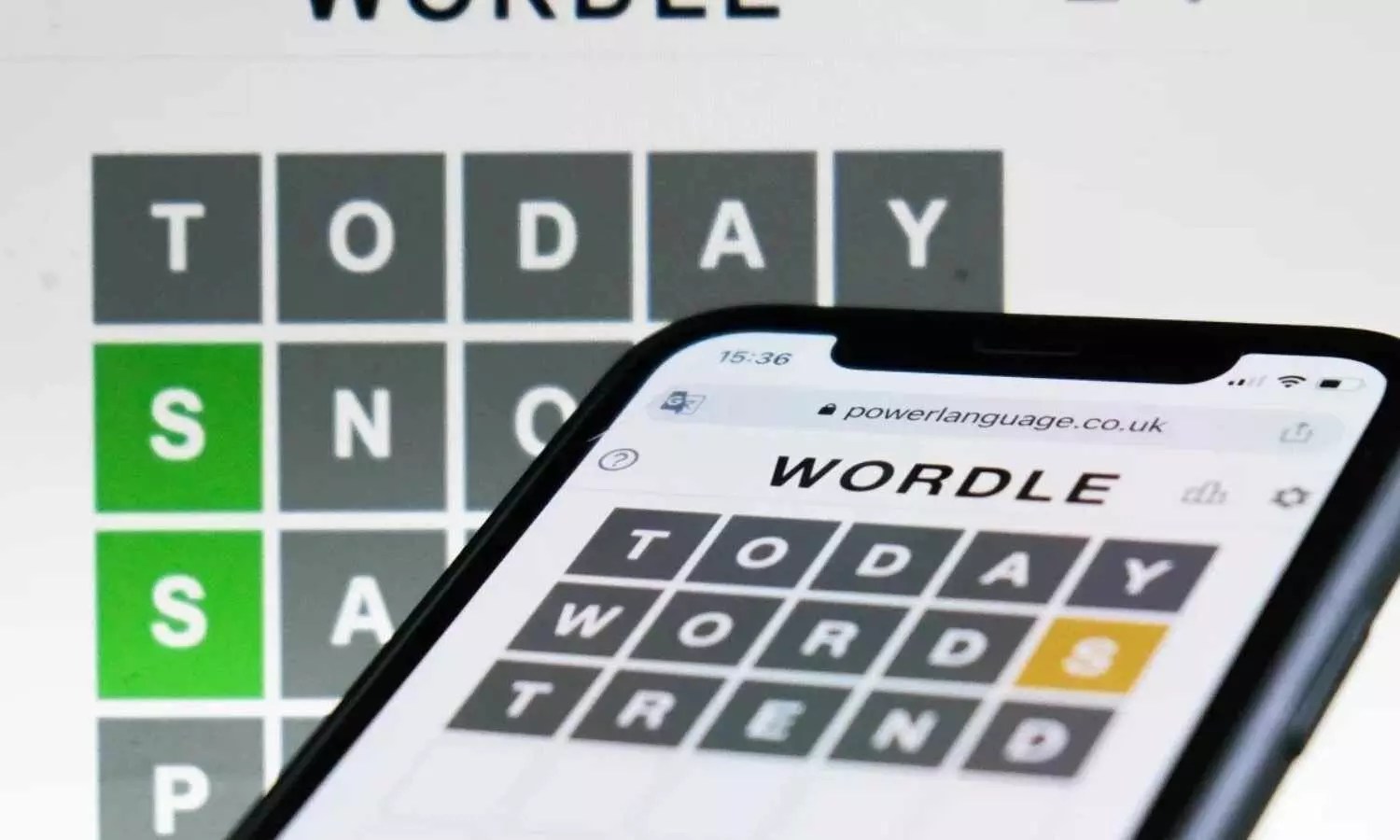
The phrase "Wordle answer September 21: solve today's word" refers to the specific solution for the popular online word puzzle game, Wordle, on a given date. Wordle presents players with the task of guessing a five-letter word in six attempts. After each guess, the game provides feedback by coloring letters: green for correct letters in the correct position, yellow for correct letters in the wrong position, and gray for letters not in the word at all. The daily nature of the puzzle means that a new word is available worldwide every 24 hours, prompting a fresh challenge for its dedicated player base.
Key features of Wordle include:
- A single, five-letter word to guess each day.
- Six attempts to find the correct word.
- Color-coded feedback after each guess to guide players.
- A global reset at midnight local time, delivering a new puzzle.
- The ability to share results with friends and on social media without revealing the word.
Why Wordle Answer September 21
The daily reveal of the Wordle answer, particularly on specific dates like September 21, consistently garners significant attention across social media platforms and online communities. This trend is fueled by several factors, including the game's universal appeal, its low barrier to entry, and the shared communal experience it fosters. Players often discuss their strategies, their number of guesses, and the difficulty of a particular day's word, turning the solitary act of solving into a collective conversation. The challenge of a tricky word or the satisfaction of a swift solve often leads to trending topics as enthusiasts compare notes and celebrate their successes, making "Wordle answer September 21" a sought-after query for those keen to either confirm their guess or gain insight.
Dates, Locations, or Key Details
Wordle operates on a universal schedule, with a new puzzle released daily at midnight in the player's local timezone. This means that while the specific numerical answer for September 21 is consistent globally, the precise moment it becomes available can vary depending on a player's geographical location. The game itself does not have physical locations or specific events; rather, its "location" is the digital space where millions interact. Major figures in its history include its creator, Josh Wardle, and later The New York Times, which acquired the game, maintaining its free-to-play model and daily release schedule. The widespread adoption of Wordle has turned each daily puzzle, including the one for September 21, into a cultural moment, eagerly anticipated by its diverse player base.
How To Get Involved or Access Wordle Answer September 21
Engaging with Wordle, and specifically attempting to solve the September 21 puzzle, is straightforward. The game is accessible through any web browser, typically via The New York Times website. For players seeking the solution or hints, various online forums, social media discussions, and dedicated Wordle fan sites often emerge with analyses or reveals of the day's word. However, the true enjoyment for many comes from the personal challenge of solving it independently.
General strategies for approaching any Wordle puzzle, including September 21's, often include:
- Starting Words: Using an opening word rich in common vowels (A, E, I, O, U) and common consonants (R, S, T, L, N) to maximize the chances of revealing useful letters early. Examples include "CRANE," "ADIEU," or "SLATE."
- Letter Position: Paying close attention to the color-coded feedback to deduce letter positions and eliminate possibilities.
- Elimination: Systematically ruling out letters that have appeared in gray and trying to incorporate yellow letters in new positions.
- Avoiding Repeated Letters: Initially, using words with unique letters can provide more information, though some solutions do contain repeated letters.
- Contextual Guessing: As more letters are revealed, thinking of common five-letter words that fit the emerging pattern.
What To Expect
- A stimulating mental exercise that tests vocabulary and logical deduction.
- The satisfaction of independently solving the puzzle, or the relief of finding the answer when stumped.
- Engagement with a global community through shared scores and discussions on social media.
- A consistent, brief daily routine that offers a moment of entertainment and intellectual challenge.
The Broader Impact of Wordle Answer September 21
The pervasive appeal of Wordle, exemplified by the daily focus on solutions like the "Wordle answer September 21," extends beyond simple gameplay. It has become a significant cultural touchstone, influencing daily routines and online interactions. The game encourages daily cognitive engagement, enhancing vocabulary and critical thinking skills in a fun, low-stakes environment. Its impact can be seen in the proliferation of similar word games and puzzles, demonstrating a renewed public interest in linguistic challenges. For many, Wordle provides a brief, shared moment of connection in an increasingly fragmented digital world, fostering a sense of community around a simple word puzzle.
Wordle transformed a simple word puzzle into a global social phenomenon. Each daily word, like the one for September 21, becomes a small event that unites people in a common intellectual pursuit and sparks friendly competition, commented a prominent observer of digital culture.
Economic or Social Insights
Wordle's success has subtly influenced the casual gaming market, proving that simple, ad-free experiences can still capture massive audiences. Its acquisition by The New York Times highlighted the value of high-quality, engaging digital content in a subscription-driven media landscape. Socially, Wordle has carved out a unique niche, encouraging positive online interaction through shared scores and collaborative puzzle-solving discussions. Unlike many competitive online games, Wordle fosters a sense of camaraderie, with players often exchanging tips or celebrating each other's successes, a dynamic frequently noted in analyses by publications like Business Insider and The Verge.
Frequently Asked Questions About Wordle Answer September 21
- What is Wordle answer September 21: Solve Today's Word? This refers to the specific five-letter word designated as the solution for the Wordle puzzle released on September 21. Each day presents a new, unique word for players to guess.
- Why is Wordle answer September 21: Solve Today's Word popular? Its popularity stems from its engaging yet simple gameplay, the satisfaction of solving a daily puzzle, and the strong community aspect where players share their results and strategies, often turning the daily reveal into a trending topic.
- How can people participate or experience it? Players can access Wordle for free through any web browser, typically on The New York Times website. To participate, one simply navigates to the game and begins guessing the daily word.
- Is it legitimate or official? Yes, Wordle is an official game, originally created by Josh Wardle and now owned and published by The New York Times, ensuring a consistent and legitimate daily puzzle.
- What can attendees or users expect? Users can expect a brief, engaging mental challenge that stimulates vocabulary and logical reasoning. Successfully solving the word provides a sense of accomplishment, and sharing results allows for friendly interaction with others.
Conclusion
The daily ritual of anticipating and solving the "Wordle answer September 21" encapsulates the enduring appeal of this simple yet profound word game. It stands as a testament to the power of a well-designed digital experience that transcends mere entertainment, fostering community, encouraging cognitive engagement, and becoming a beloved part of daily life for millions. Whether approached as a personal challenge or a shared social event, Wordle continues to captivate and connect its global audience, with each new word bringing a fresh opportunity for discovery and intellectual satisfaction.
Call to Action: Embrace the daily challenge! Visit The New York Times Wordle page to test your linguistic prowess, share your results with friends, and become part of the vibrant global community that anticipates each new puzzle.