
Unspoken Movie Rules Theater Home Etiquette
Lead: In an era dominated by diverse viewing platforms, the collective understanding of how to behave during a movie whether in a bustling multiplex or the comfort of a home screening remains a critical, yet often unarticulated, aspect of the experience. The concept of unspoken movie rules theater home etiquette addresses the implicit social contracts that govern respectful film consumption, ensuring an enjoyable experience for all. This guide delves into these unwritten codes, exploring their significance, evolution, and practical application for U.S. audiences.
What Is Unspoken Movie Rules Theater Home Etiquette?
Unspoken movie rules theater home etiquette refers to the informal guidelines of behavior that movie-goers and home viewers are expected to follow, designed to preserve the integrity of the film-watching experience and respect fellow viewers. These rules are rarely explicitly stated but are broadly understood within social contexts. They encompass a range of behaviors, from managing personal devices to controlling noise levels and respecting shared spaces. The etiquette varies slightly depending on the environment:
- In Theaters: Focuses on minimizing distractions for a large, anonymous audience.
- At Home: Addresses considerations when viewing with family, friends, or roommates, where personal habits can more directly impact others.
The core principle across both settings is consideration for others and the film itself, allowing for an immersive and uninterrupted storytelling journey.
Why Unspoken Movie Rules Theater Home Etiquette Is Trending
The increasing prominence of unspoken movie rules theater home etiquette reflects several contemporary shifts in how films are consumed. The rise of streaming services has moved a significant portion of film viewership into private homes, often leading to a more relaxed, yet potentially disruptive, approach to etiquette. Simultaneously, the return to theaters post-pandemic has highlighted a renewed appreciation for the communal cinema experience, underscoring the importance of shared respect.
Social media platforms have become a public forum for discussing etiquette breaches, with viral posts and memes frequently illustrating common frustrations, from excessive phone use in theaters to spoiler alerts during home watch parties. This digital discourse has brought these previously "unspoken" rules into explicit conversation, emphasizing their relevance in maintaining positive social interactions around entertainment. The emphasis on individual comfort versus collective enjoyment often sparks debate, making the topic a recurring point of cultural interest.
Dates, Locations, or Key Details
While unspoken movie rules theater home etiquette does not pertain to a specific event or fixed date, its relevance has evolved significantly over time. The fundamental principles of respectful communal viewing emerged with the advent of public cinemas in the early 20th century. However, the digital age has profoundly reshaped these norms. The 2000s saw the widespread adoption of mobile phones, introducing new challenges to theater etiquette regarding screen glow and ringtones. The 2010s ushered in the streaming boom, blurring the lines between public and private viewing spaces and necessitating a new focus on home viewing etiquette, particularly concerning shared screens and spoiler protocols.
Globally, various cultures might have slightly different nuances, but the core tenets of minimizing disturbance and respecting the artistic integrity of the film remain universal. In the U.S., discussions often center on personal freedom versus collective harmony, with a particular focus on the unique challenges posed by modern technology and diverse household dynamics. The ongoing conversation serves as a continuous "guide" to adapting these enduring principles to new viewing environments.
How To Get Involved or Access Unspoken Movie Rules Theater Home Etiquette
Understanding and practicing unspoken movie rules theater home etiquette is less about "accessing" a formal set of guidelines and more about conscious participation and respectful behavior. Individuals can contribute to a better viewing environment by:
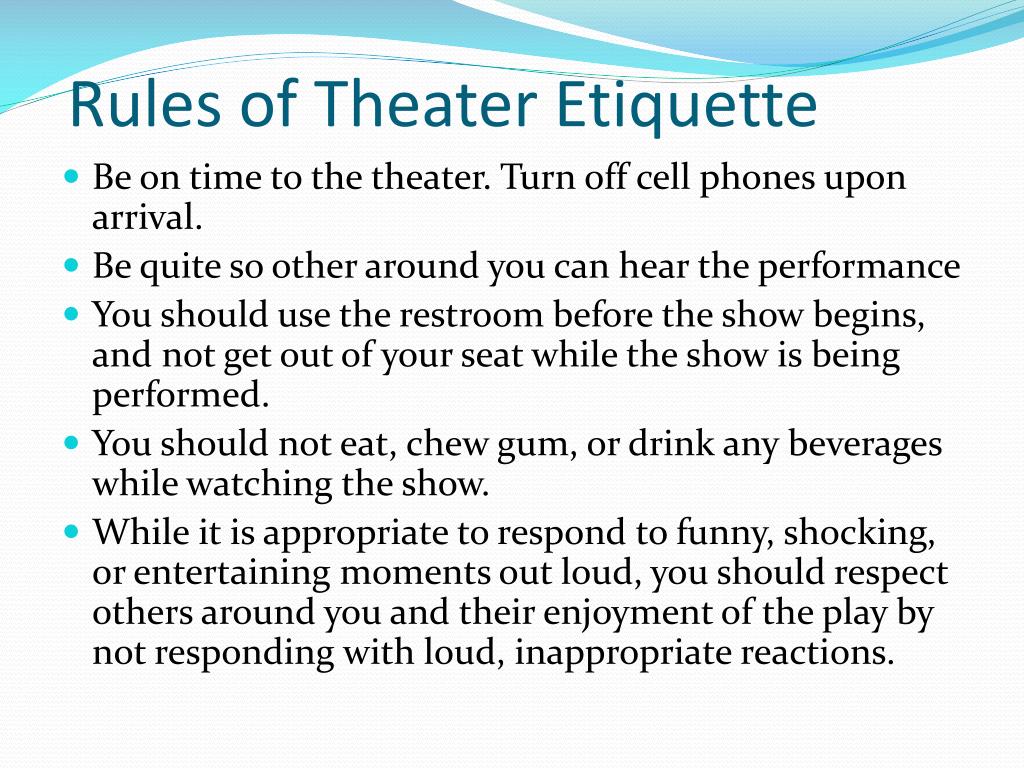
- Mindful Device Management: Ensure phones are silenced and put away in theaters. At home, avoid scrolling or taking calls if others are actively watching.
- Volume Control: Keep conversations to a minimum in theaters, and ensure home viewing volumes are respectful of housemates or neighbors.
- Food and Drink Awareness: Be considerate of crunchy snacks or strong odors in theaters. At home, ensure shared spaces remain clean.
- Punctuality: Arrive on time for theater screenings to avoid disturbing others.
- Spoiler Alert Protocol: Always assume others may not have seen a film or show, especially in a shared home environment, and refrain from revealing plot points.
- Active Viewing: Engage with the film; avoid excessive commentary or distractions that could pull others out of the experience.
What To Expect
- Enhanced Immersion: Adhering to etiquette fosters an environment where viewers can fully immerse themselves in the film's narrative.
- Reduced Conflict: Understanding these rules minimizes potential friction and misunderstandings among viewers.
- Shared Enjoyment: Consideration for others ensures a positive and respectful experience for everyone present.
- Preservation of the Art Form: Respect for the viewing experience helps maintain the intended impact of filmmaking.
The Broader Impact of Unspoken Movie Rules Theater Home Etiquette
The influence of unspoken movie rules theater home etiquette extends beyond individual viewing sessions; it shapes the broader culture of entertainment consumption. In commercial cinemas, adherence to these rules directly impacts audience satisfaction, potentially influencing repeat visits and the overall health of the exhibition industry. When patrons have negative experiences due to disruptive behavior, it can deter them from returning, thus affecting box office revenues. For home entertainment, a shared understanding of etiquette contributes to household harmony, preventing minor annoyances from escalating into significant interpersonal conflicts. It reinforces the idea that even private viewing can be a shared experience requiring mutual respect.
The unwritten rules of movie-watching, whether in a darkened theater or a cozy living room, are not just about manners; they are about preserving the shared magic of storytelling for all involved, states Dr. Evelyn Reed, a cultural anthropologist specializing in modern entertainment. These guidelines foster a necessary collective consciousness, reminding us that even solitary entertainment often has a communal echo.
Economic or Social Insights
Economically, the perception of a pleasant viewing environment can subtly influence consumer choices. For instance, cinemas that actively promote and enforce good etiquette might be favored by audiences seeking an undisturbed experience. Conversely, a reputation for unruly audiences could deter potential moviegoers, indirectly impacting ticket sales and concession revenue. The burgeoning market for dedicated home theater setups and soundproofing solutions also reflects a societal desire to control the viewing environment, highlighting the lengths some will go to mitigate potential disruptions. Socially, these unspoken rules serve as a micro-level framework for maintaining civility, illustrating how even leisure activities are governed by collective understanding. Publications like Business Insider and lifestyle sections of major newspapers frequently touch upon these social dynamics when discussing consumer behavior and shared living spaces.
Frequently Asked Questions About Unspoken Movie Rules Theater Home Etiquette
- What is unspoken movie rules theater home etiquette? This term refers to the informal, widely understood guidelines of conduct that individuals are expected to follow when watching movies, both in public theaters and private home settings, to ensure a respectful and enjoyable experience for all viewers.
- Why is unspoken movie rules theater home etiquette popular? Its popularity stems from increased public discourse on social media, the evolving landscape of film consumption (theater vs. streaming), and a collective desire to preserve the immersive quality of film without disruptive behaviors.
- How can people participate or experience it? Participation involves consciously practicing respectful behaviors such as silencing phones, refraining from talking loudly, being mindful of food noises, avoiding spoilers, and generally being considerate of fellow viewers' experiences.
- Is it legitimate or official? While not legally binding or formally codified, these rules hold significant social legitimacy as widely accepted cultural norms. They are unofficial yet powerful guidelines for social conduct in entertainment settings.
- What can attendees or users expect? Adhering to these rules typically results in a more pleasant, immersive, and conflict-free movie-watching experience for everyone, fostering a shared appreciation for the film.
Conclusion
The enduring relevance of unspoken movie rules theater home etiquette underscores a fundamental truth: even in leisure, shared experiences thrive on mutual respect and consideration. As viewing habits continue to evolve, the ability to adapt and uphold these unwritten codes of conduct remains crucial for preserving the magic of storytelling, whether on a colossal cinema screen or a personal smart device. By consciously applying these principles, audiences can collectively contribute to more harmonious and rewarding film-watching environments.
Call to Action: Embrace mindful viewing practices, engage respectfully with fellow movie-goers, and contribute to an enhanced cinematic experience for everyone. Explore online communities and film forums to learn more about current discussions surrounding film etiquette.


You might also like
