Earthquake Preparedness Staying Safe In The Bay Area
Lead: Residing in one of the most seismically active regions globally, inhabitants of the San Francisco Bay Area face an ongoing imperative: effective earthquake preparedness staying safe in the Bay Area. This article serves as a comprehensive guide, detailing why readiness is crucial, what steps can be taken, and how collective action contributes to regional resilience. Readers will gain insight into practical strategies, official recommendations, and the broader societal implications of robust seismic preparation.
What Is Earthquake Preparedness Staying Safe in the Bay Area?
Earthquake preparedness staying safe in the Bay Area refers to the multifaceted approach individuals, families, and communities adopt to mitigate risks and enhance safety before, during, and after seismic events. It encompasses a range of actions designed to protect lives, minimize injuries, and safeguard property in a region consistently threatened by significant seismic activity. The core components typically include:
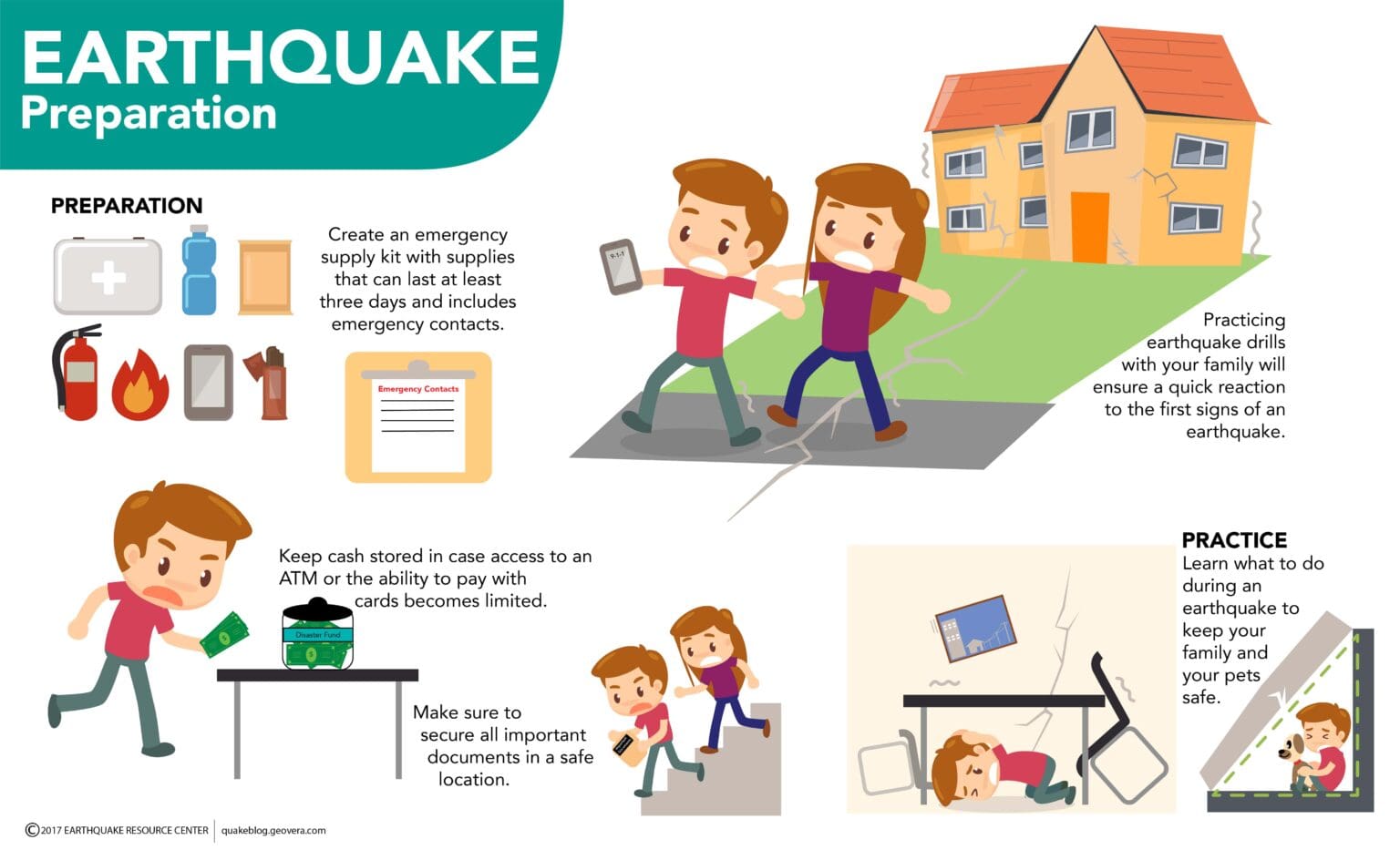
- Emergency Kit Assembly: Creating a readily accessible kit with essential supplies like water, non-perishable food, first-aid items, flashlights, and a whistle.
- Family Communication Plans: Establishing a clear strategy for family members to connect if separated, especially when traditional communication channels are down.
- Home Hazard Mitigation: Securing heavy furniture, appliances, and fragile items to prevent them from falling or becoming projectiles during shaking.
- Structural Reinforcement: For homeowners, this may involve retrofitting older buildings to better withstand seismic forces, particularly in areas with unreinforced masonry.
- Community Drills and Education: Participating in local and statewide earthquake drills and familiarizing oneself with "Drop, Cover, and Hold On" protocols.
These measures collectively aim to transform potential chaos into managed response, fostering a culture of safety and resilience.
Why Earthquake Preparedness Staying Safe in the Bay Area Is Trending
The perpetual reality of living atop major fault lines ensures that earthquake preparedness staying safe in the Bay Area remains a consistent and vital topic. Its "trending" status is not merely a passing fad but a sustained necessity, frequently brought into sharp focus by several factors:
- Recurrent Seismic Activity: Smaller, more frequent tremors serve as constant reminders of the region's seismic vulnerability, prompting renewed interest in preparedness strategies.
- Historical Context: Anniversaries of devastating earthquakes, such as the 1906 San Francisco earthquake and the 1989 Loma Prieta earthquake, regularly reignite public discourse and media attention on readiness.
- Scientific Advancements: Ongoing geological research and improved seismic monitoring provide more precise data on fault lines and potential rupture scenarios, driving updated preparedness guidelines.
- Public Awareness Campaigns: Local and state emergency management agencies consistently launch campaigns, educational programs, and public service announcements to keep preparedness at the forefront of residents' minds.
- Technological Integration: The advent of early warning systems and mobile applications designed to provide alerts and safety information has also contributed to sustained engagement with preparedness.
These elements converge to ensure that vigilance regarding seismic safety remains a societal priority in the Bay Area.
Dates, Locations, or Key Details
The focal point for earthquake preparedness staying safe in the Bay Area is, by definition, the nine-county San Francisco Bay Area region in California. This area is crisscrossed by several active seismic faults, most notably the San Andreas Fault and the Hayward Fault, which run through densely populated urban centers. Historic seismic events provide crucial context:
- 1906 San Francisco Earthquake: A massive magnitude 7.9 event that devastated San Francisco and much of the Bay Area, highlighting the catastrophic potential of unpreparedness.
- 1989 Loma Prieta Earthquake: A magnitude 6.9 earthquake centered near Santa Cruz that caused significant damage, particularly to infrastructure and older buildings, and underscored the importance of modern building codes and emergency response.
- "The Big One": Geological experts consistently warn of the high probability of a major earthquake (magnitude 6.7 or higher) occurring in the Bay Area within the next few decades, maintaining a sense of urgency for preparedness efforts.
Key organizations like the U.S. Geological Survey (USGS), the California Office of Emergency Services (CalOES), and local emergency management agencies are instrumental in providing guidance, conducting research, and coordinating regional preparedness initiatives.
How To Get Involved or Access Earthquake Preparedness Staying Safe in the Bay Area
Engaging with earthquake preparedness staying safe in the Bay Area is a proactive process accessible to all residents. Practical steps can significantly enhance personal and community safety:
- Create or Update an Emergency Kit: Assemble a "go-bag" with at least three days' worth of water (one gallon per person per day), non-perishable food, a hand-crank radio, flashlight, extra batteries, first-aid supplies, medications, copies of important documents, and cash. Keep it easily accessible at home and in vehicles.
- Develop a Family Communication Plan: Designate an out-of-state contact who can serve as a central point of communication. Ensure all family members know where to meet if separated, and establish a designated safe spot outside the home.
- Secure Your Home: Anchor tall, heavy furniture such as bookcases and china cabinets to wall studs. Install latches on cabinet doors. Secure water heaters with straps. Place heavy objects on lower shelves.
- Participate in Drills: Engage in events like The Great California ShakeOut, an annual statewide earthquake drill, to practice "Drop, Cover, and Hold On." This simple action can prevent injuries from falling debris.
- Stay Informed: Download emergency alert apps (e.g., MyShake), sign up for local emergency notifications, and follow official sources like county Office of Emergency Services websites and the USGS for up-to-date information and guidance.
- Know Your Building: Understand the seismic vulnerability of your home or workplace. For those in older buildings, inquire about retrofitting efforts.
What To Expect
- Reduced risk of personal injury or fatality during a seismic event due to immediate protective actions.
- Minimization of property damage through proactive securing of household items and potential structural enhancements.
- Quicker post-earthquake recovery for individuals and families, enabled by readily available supplies and clear communication strategies.
- Enhanced peace of mind, knowing that proactive steps have been taken to safeguard loved ones and property.
- Contribution to greater community resilience, as widespread individual preparedness strengthens the overall regional capacity to respond and rebuild.
The Broader Impact of Earthquake Preparedness Staying Safe in the Bay Area
The dedication to earthquake preparedness staying safe in the Bay Area extends far beyond individual households, influencing broader aspects of culture, business, and public policy. Strong preparedness enhances collective community resilience, allowing the region to absorb the shock of a major earthquake and recover more effectively. Businesses integrate seismic safety into continuity plans, ensuring quicker operational resumption and minimizing economic disruption. Public policy initiatives, such as updated building codes and mandatory retrofitting programs, reflect a deep commitment to protecting infrastructure and reducing vulnerabilities. This proactive stance helps maintain the Bay Area's economic vitality and quality of life, even in the face of persistent seismic threats.
The greatest impact of consistent earthquake preparedness is not just individual survival, but the exponential increase in a communitys ability to stand back up after being knocked down. It's an investment in collective resilience and future prosperity.
Economic or Social Insights
The economic implications of earthquake preparedness staying safe in the Bay Area are substantial. Studies consistently demonstrate that every dollar invested in mitigation and preparedness saves multiple dollars in disaster response and recovery costs. For instance, the Federal Emergency Management Agency (FEMA) estimates a national average benefit-cost ratio of 6-to-1 for federal mitigation grants. In a high-value economic zone like the Bay Area, the potential for economic disruption from a major quake is immense, affecting everything from property values and insurance markets to employment and regional GDP. Robust preparedness efforts by both public and private sectors help stabilize these aspects by reducing projected losses, ensuring business continuity, and facilitating faster economic recovery, as frequently highlighted in analyses by publications like Business Insider and regional economic reports.
Frequently Asked Questions About Earthquake Preparedness Staying Safe in the Bay Area
- What is earthquake preparedness staying safe in the Bay Area? It refers to the systematic measures taken by residents and institutions in the San Francisco Bay Area to prepare for, respond to, and recover from seismic events, focusing on reducing risks to life and property.
- Why is earthquake preparedness staying safe in the Bay Area popular? Its enduring popularity stems from the Bay Area's location on active fault lines, the constant threat of a major earthquake, and historical reminders of past seismic devastation, which collectively underscore the critical need for constant vigilance.
- How can people participate or experience it? Participation involves practical steps such as assembling emergency kits, developing family communication plans, securing homes, practicing "Drop, Cover, and Hold On," and staying informed through official emergency channels and community drills.
- Is it legitimate or official? Yes, earthquake preparedness in the Bay Area is highly legitimate and officially promoted by various governmental agencies, including CalOES, FEMA, USGS, and numerous local emergency management departments, all backed by scientific research and expert consensus.
- What can attendees or users expect? Individuals who engage in preparedness can expect enhanced personal safety, reduced property damage, quicker post-quake recovery, and greater peace of mind, all contributing to a more resilient community capable of facing seismic challenges.
Conclusion
The imperative for earthquake preparedness staying safe in the Bay Area is not a recommendation but a fundamental aspect of responsible living in a seismically active region. Its importance is underscored by historical events, ongoing scientific research, and the inherent vulnerability of densely populated urban areas situated near major fault lines. By embracing proactive measuresfrom assembling emergency kits to securing homes and practicing response protocolsresidents contribute significantly to their own safety and the overall resilience of the entire Bay Area community. This collective commitment ensures that when the inevitable seismic event occurs, the region is not merely reacting but responding from a position of strength and readiness.
Call to Action: Residents and visitors are strongly encouraged to visit official government websites, such as those of the California Office of Emergency Services (CalOES.ca.gov) or local county emergency services, to access comprehensive guides, download preparedness checklists, and register for local emergency alerts. Participate in upcoming Great California ShakeOut drills to practice vital safety actions. Take action today to enhance personal and community safety.