
Broadwater County Inmate Roster Find Current Inmates
Lead: Public access to information regarding individuals held in correctional facilities is a fundamental aspect of transparency and accountability within the justice system. For those seeking details on current detainees in Broadwater County, Montana, understanding how to navigate the official inmate roster is essential. This guide provides comprehensive information on locating current inmates, outlining the processes, available resources, and the significance of this public record, ensuring clarity for families, legal professionals, and interested citizens.
What Is the Broadwater County Inmate Roster and How to Find Current Inmates?
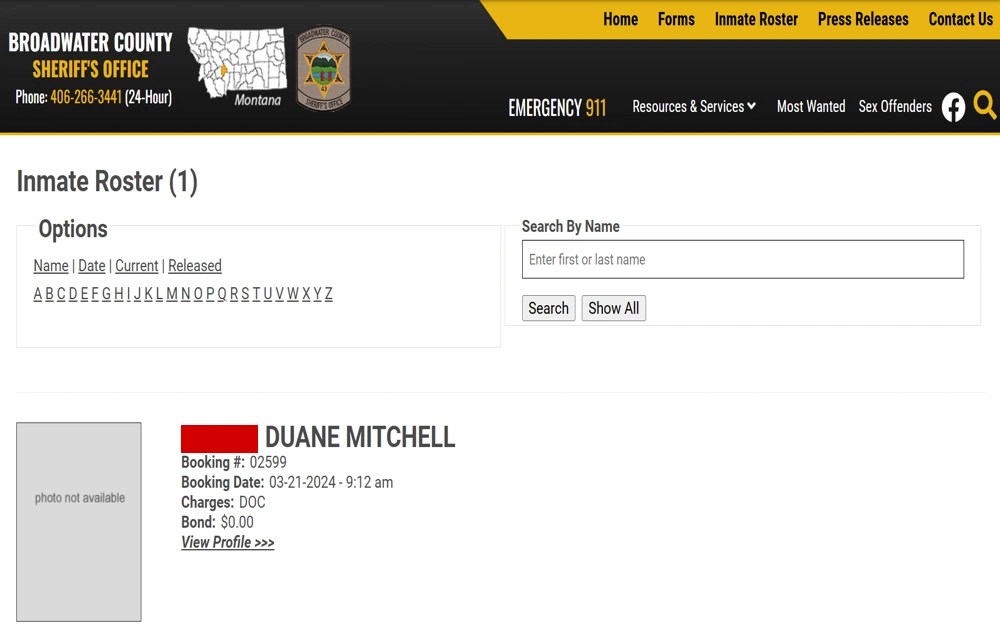
The Broadwater County inmate roster, often maintained by the local Sheriff's Office or detention center, is an official record listing individuals currently incarcerated within the countys facilities. This roster typically includes basic information such as an inmate's name, booking date, charges, and bond amount. The primary purpose of making this information publicly accessible is to uphold transparency in the correctional system, allowing individuals to verify the detention of a loved one, a client, or to simply stay informed about local law enforcement activities.
Accessing this roster means leveraging official county resources to get up-to-date information. While the core data remains consistent across jurisdictions, the method of access can vary. Key aspects of the Broadwater County inmate roster include:
- Official Source: Information is directly from the Broadwater County Sheriffs Office or Detention Center.
- Regular Updates: Rosters are frequently updated to reflect new bookings, releases, or transfers.
- Key Data Points: Typically includes inmate names, dates of birth, charges, booking dates, and bond information.
Why Public Access to Inmate Information Is Significant
The ability to find current inmates through official channels like the Broadwater County inmate roster is significant for several reasons, reflecting broader trends in governmental transparency and public safety. This accessibility addresses critical needs for families, legal counsel, and community members, fostering trust and accountability in the justice system.
One primary reason for its importance is humanitarian; family members and friends require timely information to locate incarcerated loved ones, understand their charges, and arrange legal representation or support. Furthermore, legal professionals rely on these rosters to quickly identify and contact clients, ensuring due process is upheld from the moment of arrest. From a community perspective, public inmate rosters contribute to public safety by allowing citizens to track individuals charged with crimes and to confirm the status of reported arrests. The increasing demand for readily available public records reflects a societal push for greater transparency in law enforcement and correctional practices.
Key Details
Accessing the Broadwater County inmate roster generally involves a straightforward process, primarily through official online portals or direct contact with the countys detention facilities. As of current practices, most counties, including Broadwater, offer online search capabilities to facilitate immediate information retrieval. These online resources are typically housed on the Broadwater County Sheriffs Office website or a dedicated corrections department page.
When searching for current inmates, users can typically expect to find:
- Full legal name of the inmate.
- Date of birth or age.
- Booking date and time.
- Specific charges or offenses.
- Bond amount, if applicable, and instructions for posting bond.
- Projected release date for some minor offenses or after bond is posted.
It is important to note that while online rosters are designed for user convenience, they represent a snapshot in time. Information can change rapidly due to new bookings, releases, court appearances, or transfers. For the most critical or time-sensitive inquiries, direct contact with the Broadwater County Detention Center is often recommended.
How To Access the Broadwater County Inmate Roster
Accessing the Broadwater County inmate roster to find current inmates is typically a simple process, primarily leveraging digital resources provided by the county authorities. The following steps outline the common approach:
- Visit the Official Broadwater County Sheriff's Website: The Broadwater County Sheriff's Office website is the authoritative source for inmate information. Navigate to their official online presence using a standard web browser.
- Locate the "Inmate Roster" or "Detention Center" Section: Within the Sheriff's Office website, there is usually a clearly labeled section for "Inmate Roster," "Detention Center," "Jail Roster," or "Current Inmates." This might be found under a "Public Services," "Divisions," or "Resources" menu.
- Utilize the Search Function: Most online rosters feature a search bar where a name (first name, last name, or both) can be entered. Some systems may allow searches by booking date or other identifiers.
- Review Search Results: After submitting the search query, a list of current inmates matching the criteria will be displayed. Users can then click on individual entries to view more detailed information about a specific inmate.
- Contact the Detention Center Directly (If Necessary): If an online search does not yield the desired results, or if more immediate or specific information is required (e.g., visitation schedules, inmate property policies), contacting the Broadwater County Detention Center directly by phone is a viable option. Their contact information will typically be available on the Sheriff's Office website.
These steps are designed to provide the most accurate and up-to-date information directly from the source.
What To Expect When Searching
- Real-time, but not instantaneous: While rosters are frequently updated, there might be a slight delay between an event (like a booking or release) and its appearance on the online list.
- Limited Personal Information: For privacy reasons, extensive personal details (e.g., home address, sensitive medical information) are not typically included on public rosters.
- Disclaimer Notices: Many county websites include disclaimers stating that the information provided is for public convenience and may not be exhaustive or entirely current.
- Availability of Mugshots: Some online rosters may include booking photographs (mugshots), though this varies by county policy and technical capabilities.
- Focus on Current Inmates: The primary function is to list individuals currently held; past inmates or individuals released are usually not included in the "current" roster.
The Broader Impact of Transparency in Corrections
The availability of an accessible Broadwater County inmate roster contributes to a broader societal shift towards greater transparency in government operations, particularly within law enforcement and corrections. This trend aligns with the principles of open government, empowering citizens to monitor the activities of public institutions. The ability to find current inmates online plays a crucial role in public oversight, deterring potential abuses of power and ensuring that arrests and detentions are conducted legally and ethically.
Beyond individual inquiries, readily available inmate information can influence public discourse on criminal justice reform, community policing, and the allocation of resources within the legal system. It provides data points for researchers, journalists, and advocacy groups to analyze trends in arrests, charges, and incarceration rates, thereby informing policy debates and promoting evidence-based decision-making. The collective impact is a more informed citizenry and a system that is held to a higher standard of accountability.
Public access to inmate rosters is a critical tool for accountability, states a legal expert specializing in civil liberties. It serves not only the immediate needs of families but also strengthens the publics ability to oversee correctional facilities and ensure adherence to legal standards.
Legal and Social Considerations
The practice of maintaining and providing public access to inmate rosters navigates a complex intersection of legal mandates, privacy concerns, and societal expectations. Legally, the public's right to access government records, often codified in Freedom of Information Acts or similar state statutes, underpins the availability of these rosters. However, these rights are balanced against the privacy rights of individuals and the operational security needs of correctional facilities. For instance, information pertaining to minors, victims of certain crimes, or individuals in protective custody is typically redacted or withheld.
Socially, the ease of finding current inmates online has implications for the perception of justice and community safety. While enhancing transparency, it also raises questions about data privacy and the potential for misuse of information. Reputable sources like the ACLU or academic journals in criminal justice frequently discuss these balances, advocating for clear guidelines that protect individual rights while upholding the publics right to know.
Frequently Asked Questions About Finding Broadwater County Inmates
- What is broadwater county inmate roster find current inmates? It refers to the official list of individuals currently detained within the Broadwater County Detention Center, and the process by which one can locate and obtain information about these inmates, typically through online or direct inquiry.
- Why is broadwater county inmate roster find current inmates popular? Its popularity stems from the critical need for families, legal representatives, and concerned citizens to quickly and accurately locate individuals who have been arrested or incarcerated, ensuring transparency and facilitating communication and legal processes.
- How can people participate or experience it? Individuals can "participate" by using the online search tools provided by the Broadwater County Sheriff's Office or by contacting the Detention Center directly to inquire about a current inmate.
- Is it legitimate or official? Yes, the Broadwater County inmate roster accessed through the Sheriff's Office or Detention Center's official channels is legitimate and represents official county records. Users should always seek information from these verified sources.
- What can attendees or users expect? Users can expect to find basic booking information such as an inmate's name, booking date, charges, and bond amount. The level of detail and availability of features like mugshots can vary.
Conclusion
The Broadwater County inmate roster serves as a vital tool for public transparency, enabling timely access to information about current detainees. Its existence underscores a commitment to open government and supports the foundational principles of the justice system, from facilitating legal representation to upholding family connections. For anyone needing to find current inmates in Broadwater County, the official online resources and direct facility contact provide reliable pathways to essential information. Navigating these resources effectively ensures that crucial details are obtained promptly and accurately.
Call to Action: For the most current and authoritative information, always visit the official Broadwater County Sheriff's Office website or contact the Broadwater County Detention Center directly. This ensures access to verified updates and appropriate channels for inquiries.


You might also like
